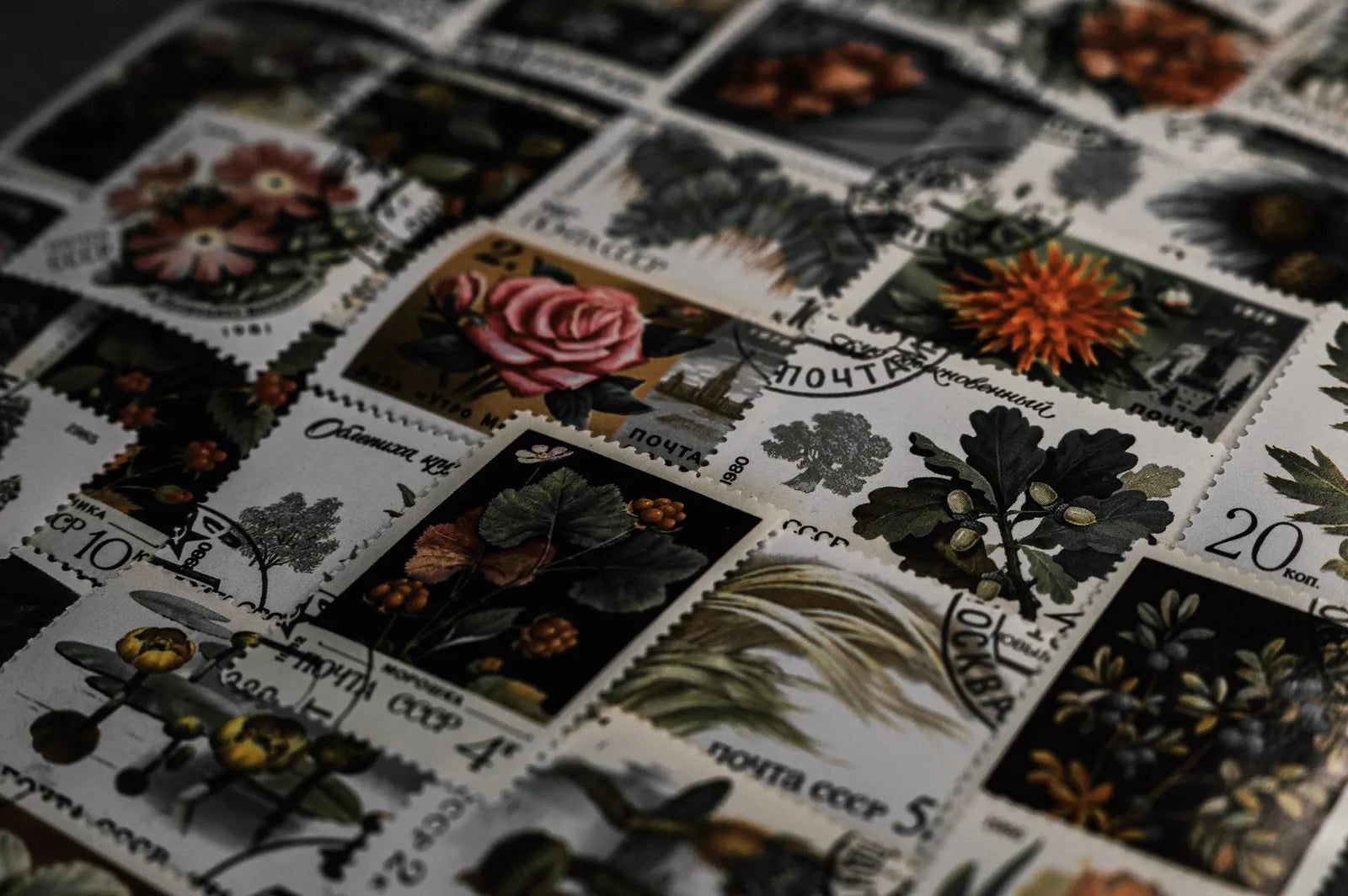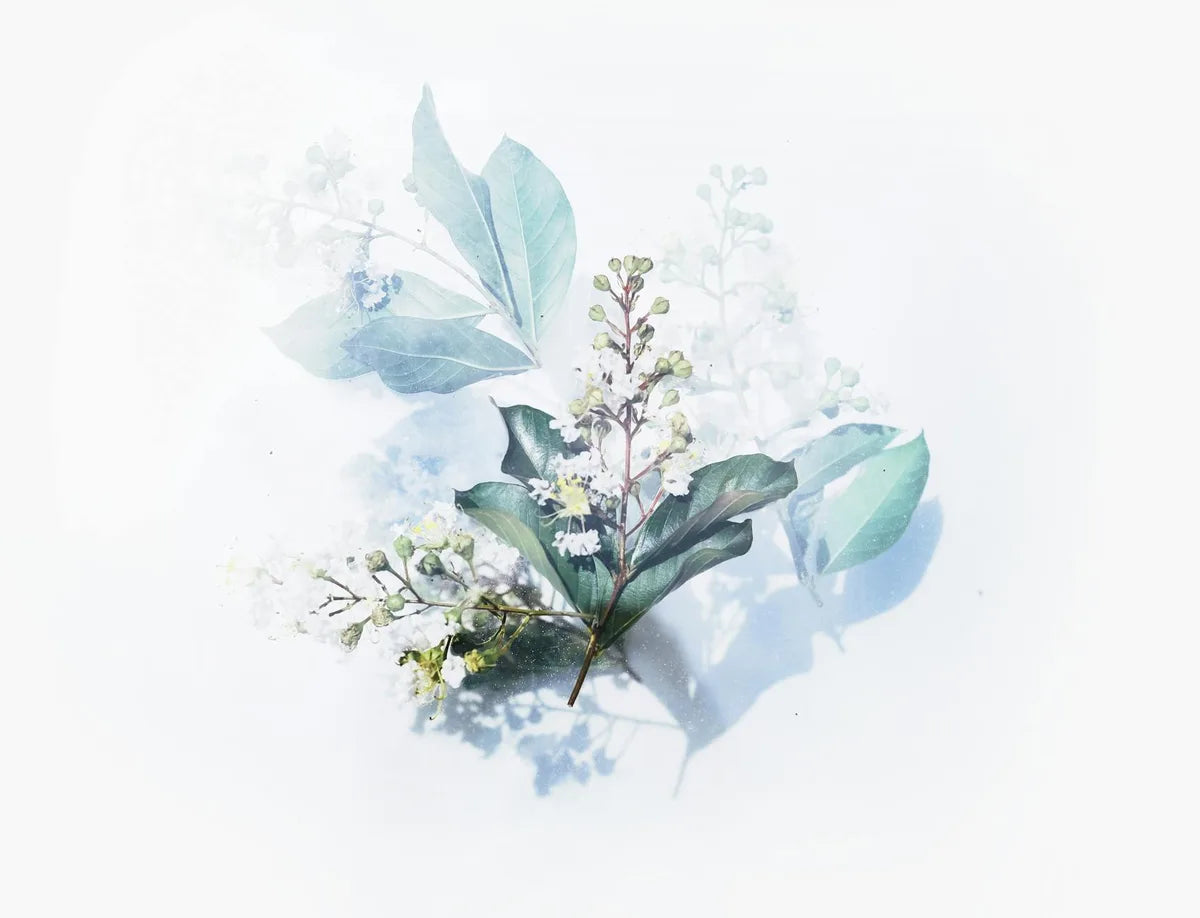
London, February 1787. William Curtis, age 41, a self-taught apothecary and botanist, launches a new monthly journal: the Botanical Magazine. Each issue carries three copperplate-engraved plates, hand-colored, with a scientific description. The project is risky: Curtis has invested his personal fortune. Three years earlier, his Flora Londinensis, a botanical survey of the London region, nearly bankrupted him. With the Botanical Magazine, he aims at a broader public: cultivated amateurs, greenhouse owners, the first horticulturists. The journal survives. It still exists today, as Curtis's Botanical Magazine, published by the Kew Gardens since 1841. It is the oldest illustrated scientific periodical in the world.
That continuity is unusual. For 238 years, with no significant interruption, every issue offers the same elements: a plant represented, its binomial name according to Linnaeus's taxonomy, its botanical traits, its geographic origin. The Botanical Magazine has become a collector's object. A complete set of the first 110 issues, published between 1787 and 1800, now trades for around 50,000 pounds at London auctions. And individual plates, taken from broken copies, have fed the decoration market for a hundred years.
Linnaeus and the invention of the plate
The story of the botanical plate begins in Sweden. In 1735, Carl von Linnaeus publishes Systema Naturae. Thirteen successive editions, up to 1770, fix the classification of the living world: kingdoms, classes, orders, genera, species. To describe thousands of plants, Linnaeus needs a coherent visual system. In Genera Plantarum (1737), he defines the elements a scientific plate must contain: overall silhouette of the plant, open flower, transverse section of the fruit, enlarged detail of the pollen in the margin. That grid, almost unchanged, will remain the standard of the botanical plate for two centuries.
The illustrators who answer that brief are few and highly skilled. They work in drypoint, pen, watercolor. They often join scientific expeditions: Sydney Parkinson on James Cook's Endeavour in 1769, Ferdinand Bauer in Australia with Matthew Flinders in 1801, Aimé Bonpland with Alexander von Humboldt in South America between 1799 and 1804. Each brings back hundreds, sometimes thousands of preparatory drawings. A successful botanical plate takes an experienced draftsman three to five days of work.
Pierre-Joseph Redouté, Malmaison
Pierre-Joseph Redouté, born in 1759 in what is today Belgium, becomes the most famous European botanical illustrator. He works for Marie-Antoinette at the end of the Ancien Régime, then crosses the Revolution unscathed, and becomes the official illustrator of Joséphine Bonaparte at the Malmaison estate between 1798 and 1814. Joséphine, a botany enthusiast, has plants brought in from all over the world to her greenhouses. Redouté draws them.
Three great series come out. Les Liliacées (1802-1816), 486 plates in eight volumes, among the most beautiful botanical watercolors ever made. Les Roses (1817-1824), 169 plates whose 168 originals joined the Pierpont Morgan Library in New York in 1990. Choix des plus belles fleurs et des plus beaux fruits (1827-1833), published at the end of his life. Redouté dies in 1840, ruined by his own publishing investments, but his influence is such that he becomes the model of all Western botanical painting up to color photography.
Technique, color, eye
Three technical principles hold the art of the botanical plate. First, light. The plant must be lit by natural light, ideally coming from the left for right-handed draftsmen, with no strong shadow. The illustrator works in the studio, but with the fresh plant placed on a support. North light, indirect and steady, is preferred. Then, color. The pigments used in watercolor (carmine, indigo, gamboge, bladder green) have a limited fastness. A well-protected plate can keep its color for five hundred years. Exposed to direct light, it fades in fifty.
Third principle: composition. The plate shows the plant at actual size or slightly reduced, never enlarged. The details (stamens, pistil, ovary) get a separate enlargement in the margin, usually at the bottom right. The title, in Latin for the scientific name and often in several vernacular languages, sits at the bottom of the plate. The edge of the paper often carries a generous margin, which gives breath and isolates the image.
"The botanical plate is the only case in art history where scientific demand produced a recognizable and lasting aesthetic," Roger Caillois noted in his Cohérences aventureuses (1976).
On the wall, today
The botanical plate has been one of the most stable decorative motifs of the last thirty years. It works everywhere: living room, kitchen, bedroom, office, bathroom. Its palette is neutral (muted greens, ochres, burnt sienna). Its cream ground does not fight any wall color. Its subjects (flowers, fruits, leaves) soothe without becoming trivial. For a successful composition, two options. A large isolated plate, 50 by 70 format, oak or light-wood frame, placed above a console or a sideboard. Or a series of three plates lined up tightly, 30 by 40 format, in a precise grid. That second option, more museum-like, holds up beautifully in a hallway.
Avoid: the black frame, which hardens the soft watercolor tones. Avoid also: the botanical plate in the company of a heavily saturated poster (a Cassandre, a jazz cover). The two worlds clash. The botanical plate enjoys the company of other botanical plates, or the solitude of a clear wall. It does not work in the tumult of a heterogeneous accumulation.
Four selection paths
- A Redouté plate of roses or liliaceae, in the spirit of the Malmaison series. For a bedroom or a classic living room.
- A Botanical Magazine plate, ornamental plants of the nineteenth century. For a kitchen or a reading corner.
- A tropical-plant plate (orchids, ferns, palms) in the lineage of the Humboldt-Bonpland expeditions. For an office or a plant-rich living room.
- A plate of aromatic plants, medicinal herbs or simples. For an open kitchen or a tea corner.
At Montmartre Poster, the botanical collection brings together plates in that great tradition, printed on 275 gsm art paper. The off-white paper reproduces the warmth of the rag paper used in the nineteenth century, and the colors have been calibrated on originals held by the Kew Gardens library and the Muséum national d'histoire naturelle in Paris.