A kitchen, early morning. On the windowsill, a pothos spills out of its terracotta pot. Just above it, framed in pale oak, a green foliage poster picks up almost the same shade. The two greens answer each other, one alive, the other drawn. That is the whole point of the botanical poster: it carries the plant onto the wall, where no plant would ever grow.
Botanical posters have a rare advantage in decorating. They go with almost anything, because green and plant motifs belong to a vocabulary the eye finds calming. You do not need a magazine interior: a light wall, a wooden shelf, two or three plants, and the whole thing holds together. What remains is choosing the right motif, and hanging it in the right spot.
Pairing the poster with the living plant
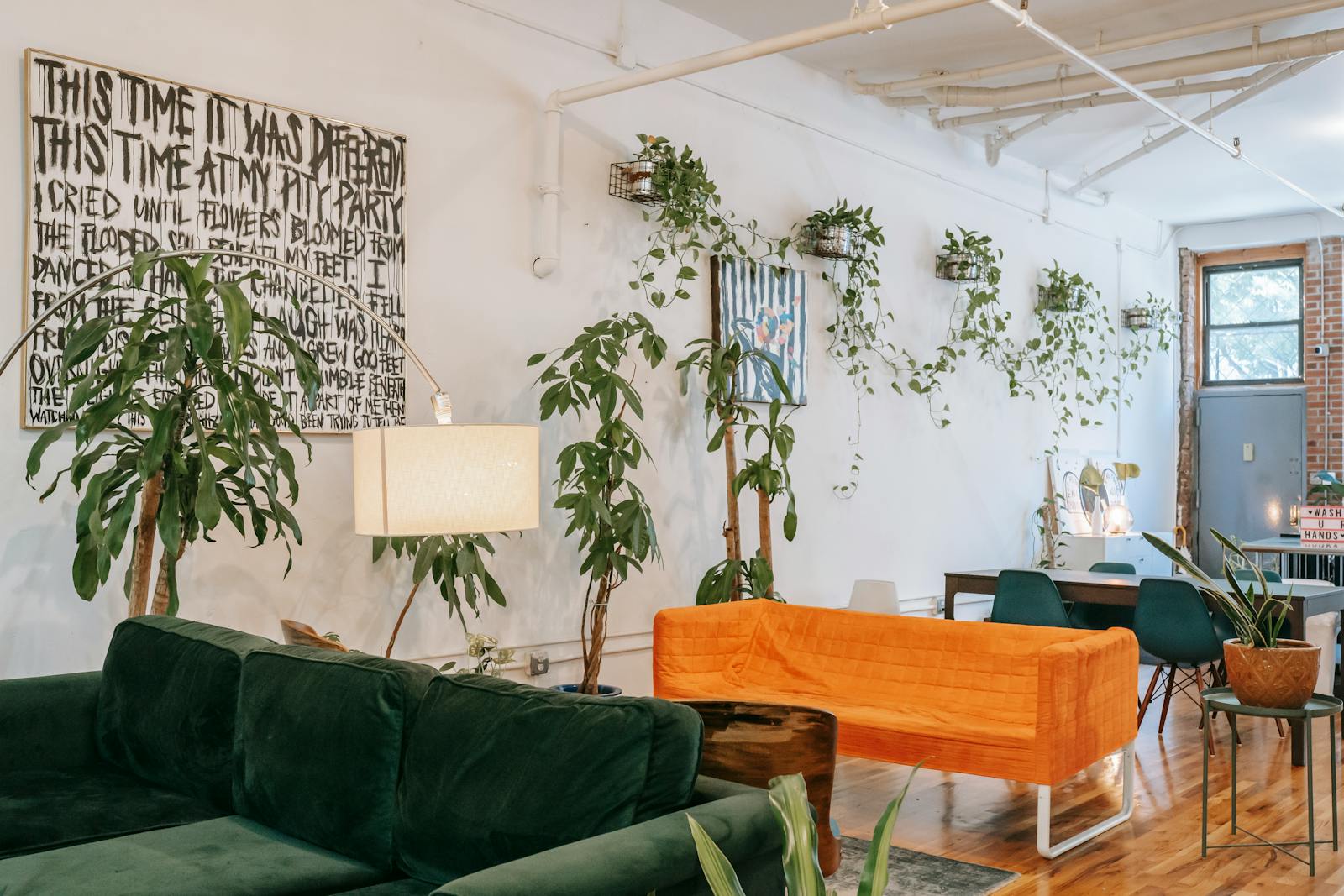
The simplest rule is to let the shapes talk to each other. A plant with large, cut leaves, a monstera or philodendron, suits a poster with broad, graphic motifs. A fine, trailing plant, pothos or ivy, calls for a more delicate drawing, flowers or loose grasses. You can play the echo, same greens and same density, or a controlled contrast, dark foliage framed next to a pale plant. What to avoid is accumulation without intent: three busy posters above a jungle of plants, and the room becomes unreadable.

Room by room
- Living room: one large format above the sofa, or a row of three at eye level.
- Kitchen: small formats near the window, with herbs, citrus or heirloom vegetables.
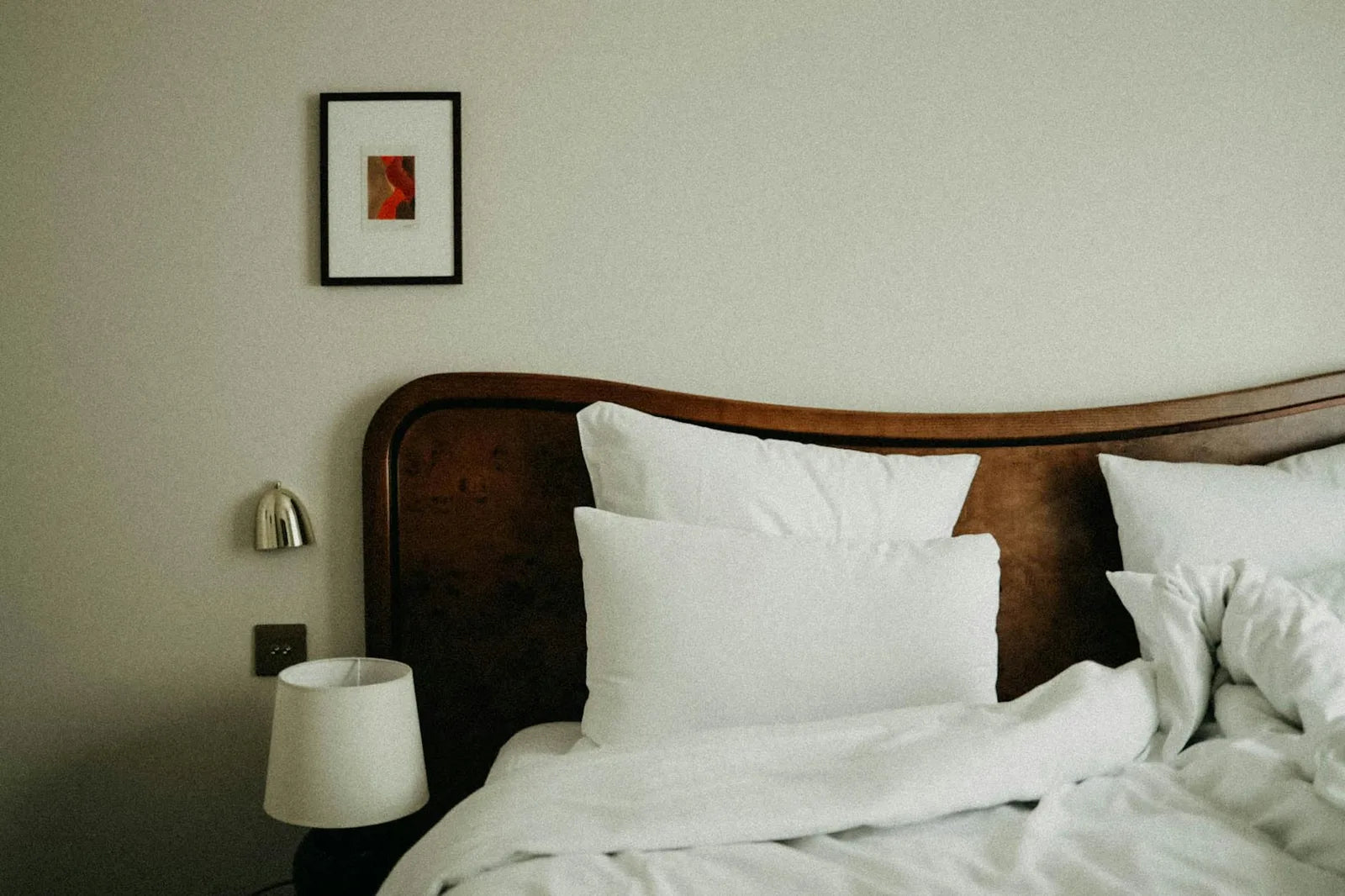
- Bedroom: pale flowers on a cream ground, for soft light when you wake.
- Entryway: one assertive poster, because it is the first image you see on coming home.

Frame, height, light
Three details make the difference. The frame first: light wood, oak or birch, warms the greens and echoes the natural subject, while black cuts dark foliage cleanly against a pale wall. Height next: center the poster around 1.55 meters off the floor, at eye level, never up against the ceiling. Light last: botanical motifs handle the indirect light of a side wall well, but direct sun fades the colors over the years. So avoid a full south-facing wall with no curtain.
A botanical poster does not imitate the plant. It gives it a frame, in the literal sense, and a fixed point while the foliage itself never stops moving.
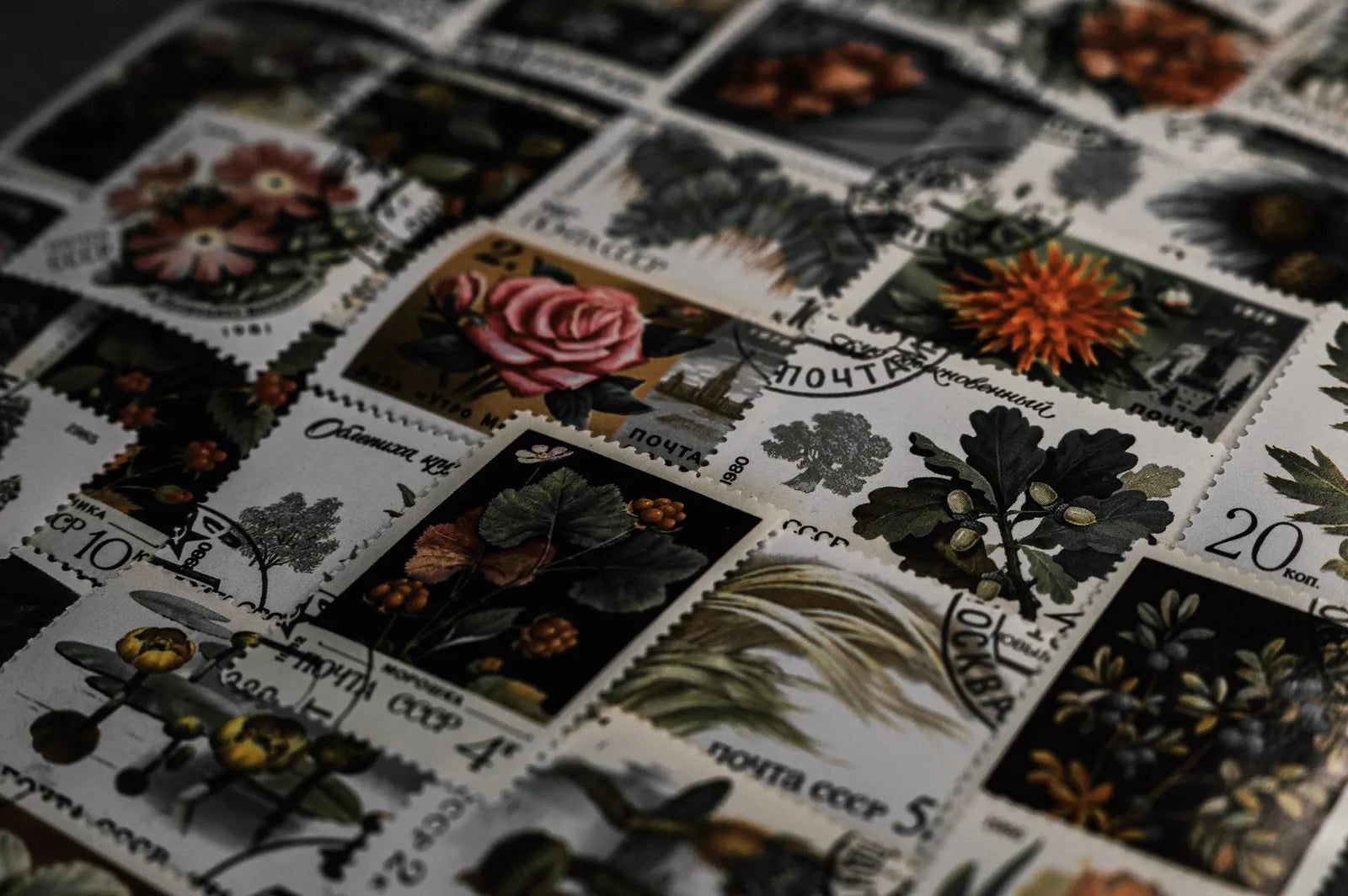
At Montmartre Poster, the botanical collection brings together graphic foliage, folk flowers, cacti and herbaria, printed on 275 gsm art paper. Enough to compose a wall of greenery that needs neither water nor light, and that pairs with the real plants in the house.