The Japanese ukiyo-e woodblock print ("image of the floating world") is the most sophisticated popular art form ever produced. For two centuries, thousands of images were drawn, carved, printed and distributed in Edo (present-day Tokyo) at prices within reach of the merchant class. They depicted kabuki actors, celebrated courtesans, landscapes, battles. Printed in runs of several thousand and sold for a few coins, the finest examples now fetch several hundred thousand euros.
Hokusai: landscape as absolute
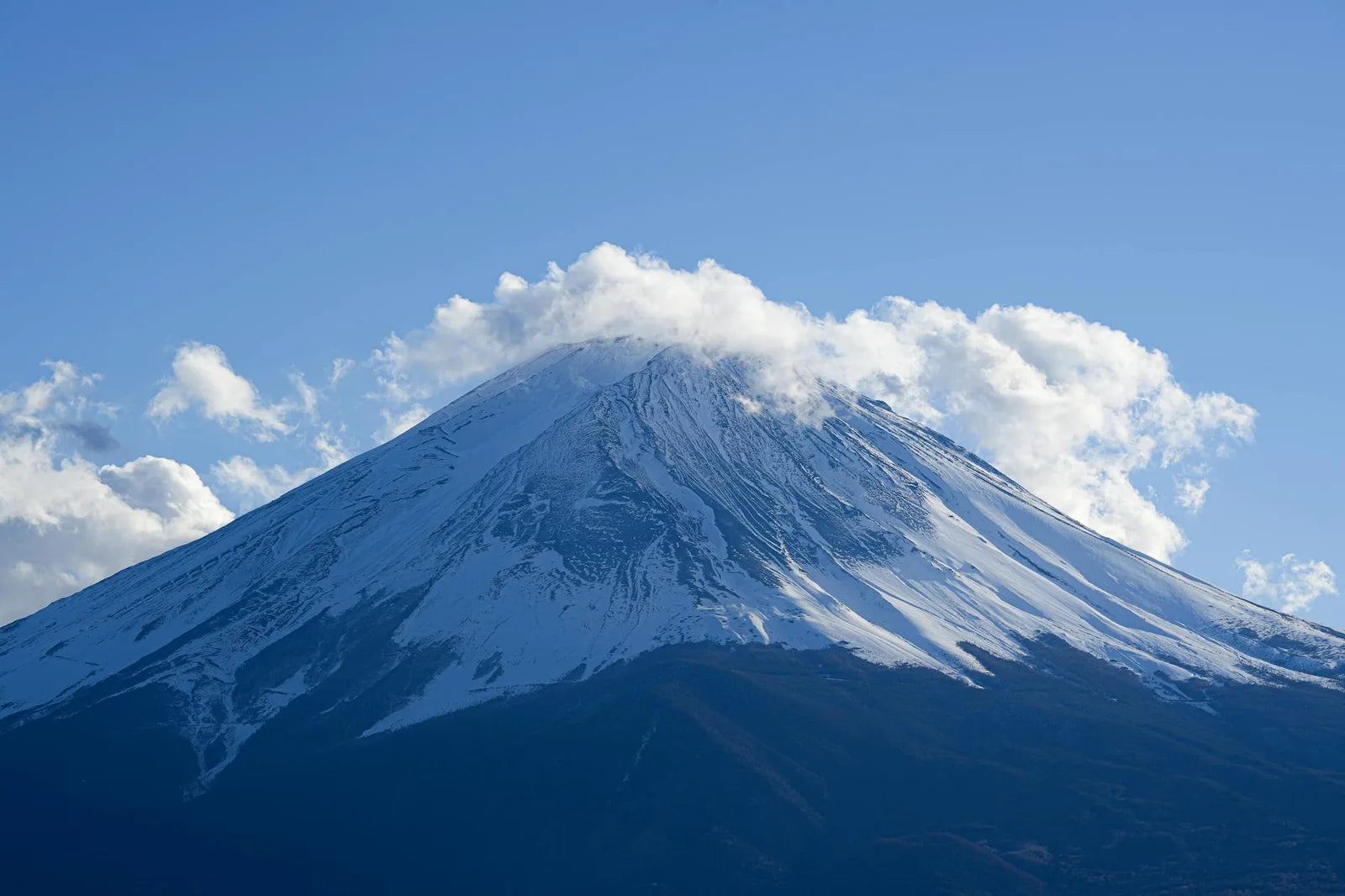
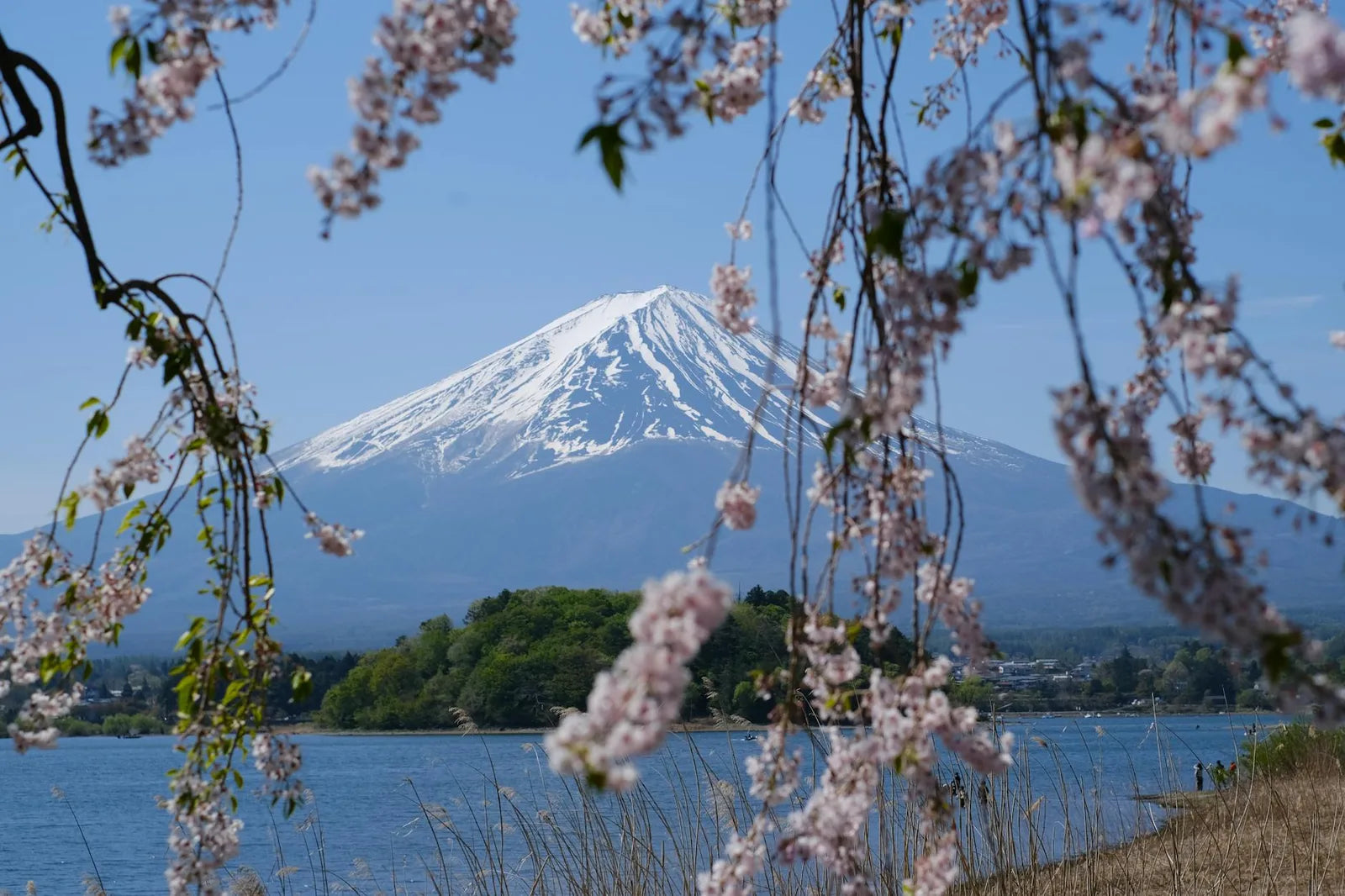
Katsushika Hokusai (1760-1849) worked under thirty-six different pseudonyms. He produced more than 30,000 works. His "Thirty-six Views of Mount Fuji" (published between 1830 and 1833) are his masterpiece. The most famous, "Under the Wave off Kanagawa" (known simply as "The Great Wave"), shows a wave crashing over fishing boats with Mount Fuji tiny in the background. The composition is strikingly modern: the viewpoint is unstable, the wave is treated almost as an abstraction, and Prussian blue (imported from Europe by the Dutch) gives the image a new depth.
In old age, Hokusai moved house regularly to escape his debts, carrying his woodblocks under his arm. He drew until his death at 88. His last known work is a sketch of a dragon, dated the day he died.
Hiroshige: light and rain
Utagawa Hiroshige (1797-1858) is different from Hokusai. Where Hokusai builds monumental compositions, Hiroshige seeks atmosphere: slanting rain in a stormy night, morning mist over a mountain pass, autumn light on a reed moor. His "Fifty-three Stations of the Tokaido" (1833) is a catalogue of Japanese landscapes through the seasons. Each sheet shows a post town on the road between Edo and Kyoto, in a particular light and season.
Hiroshige had a direct influence on European Impressionism. Monet owned 231 Japanese prints, hung throughout his house at Giverny (still visible today). The technique of short brushstrokes, asymmetric composition, treatment of natural light: obvious points of contact that Monet himself never denied.
Van Gogh copied two of Hiroshige's prints in oil in 1887 to understand Japanese composition. He painted them reversed, mirror-flipped, the better to analyse the construction.
Utamaro: portraits of women
Kitagawa Utamaro (1753-1806) specialised his workshop in a particular genre: portraits of women. His compositions show courtesans or ordinary women in moments of daily life - arranging hair, stepping from the bath, writing a letter. The framing is often very tight, the face filling two thirds of the image with the hands visible. The line is exceptionally fine, the colours soft and precise.
Choosing a print for your interior
Ukiyo-e prints work in any contemporary interior, provided they are presented with care. A few principles: a plain frame (natural oak or matte black, not gold lacquer that would read as "Asian bazaar decor"), a generously sized cream passe-partout, and a position at eye level. They sit as well in a minimalist space (a single large print on a white wall) as in a more layered room (several small-format prints in a gallery wall).
Our selection covers the three great masters (Hokusai, Hiroshige, Utamaro) as well as some rarer figures (Kuniyoshi, Kunisada). All our reproductions are printed on 275 g/m² art paper, with colours calibrated against the original prints held at the Musee Guimet in Paris and the British Museum in London.