In April 1919, Walter Gropius published the Bauhaus manifesto from Weimar. He was 36 years old, had just returned from the war, and was convinced that art and industry must merge. The manifesto opens with a sentence that remains one of the most radical in the history of design: "The ultimate goal of all creative activity is architecture." Not painting. Not sculpture. Architecture.
The school opened with nineteen students in the buildings of the former Weimar School of Fine Arts. The pedagogical principle was twofold: each workshop was led by a "master of form" (an artist) and a "master of craft" (an artisan). Johannes Itten led the preliminary course, which was compulsory for all students. Paul Klee taught colour theory. Wassily Kandinsky, composition.
Itten, Klee, Moholy-Nagy
Johannes Itten was a figure apart. He was a theosophist, followed a macrobiotic diet, shaved his head, and had his students meditate before class. He led the preliminary workshop until 1923, when he left following a dispute with Gropius over the artistic direction of the school. László Moholy-Nagy took his place. Where Itten favoured intuition, Moholy-Nagy wanted rigour. Photography, typography, the industrial object.
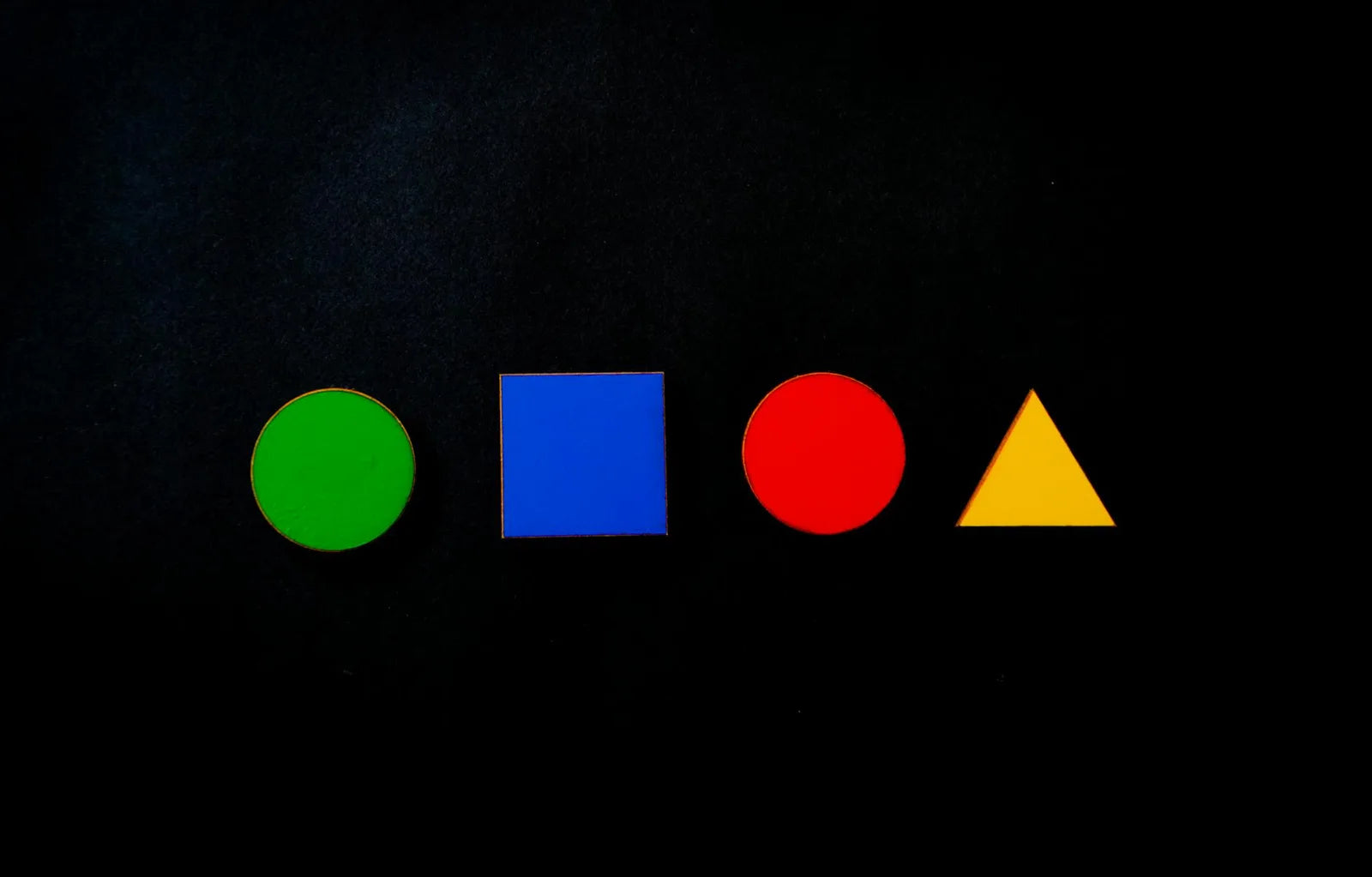
Paul Klee was the most beloved teacher. His courses, later published as "Bauhaus Lectures," are of rare analytical precision. Klee breaks composition down into primary elements, explaining how a line creates movement, how a colour generates a sensation, how balance is not the same as symmetry. What he taught was a universal grammar of the image.
Dessau, Berlin, Closure
In 1925, the rise of nationalism in Weimar forced the school to relocate. Gropius chose Dessau, an industrial city, less politically hostile. It was there that the school built its own buildings, designed by Gropius himself: glass facades, terraces, bright workshops. The Dessau building has become the collective image of the Bauhaus. It has been a UNESCO World Heritage Site since 1996.
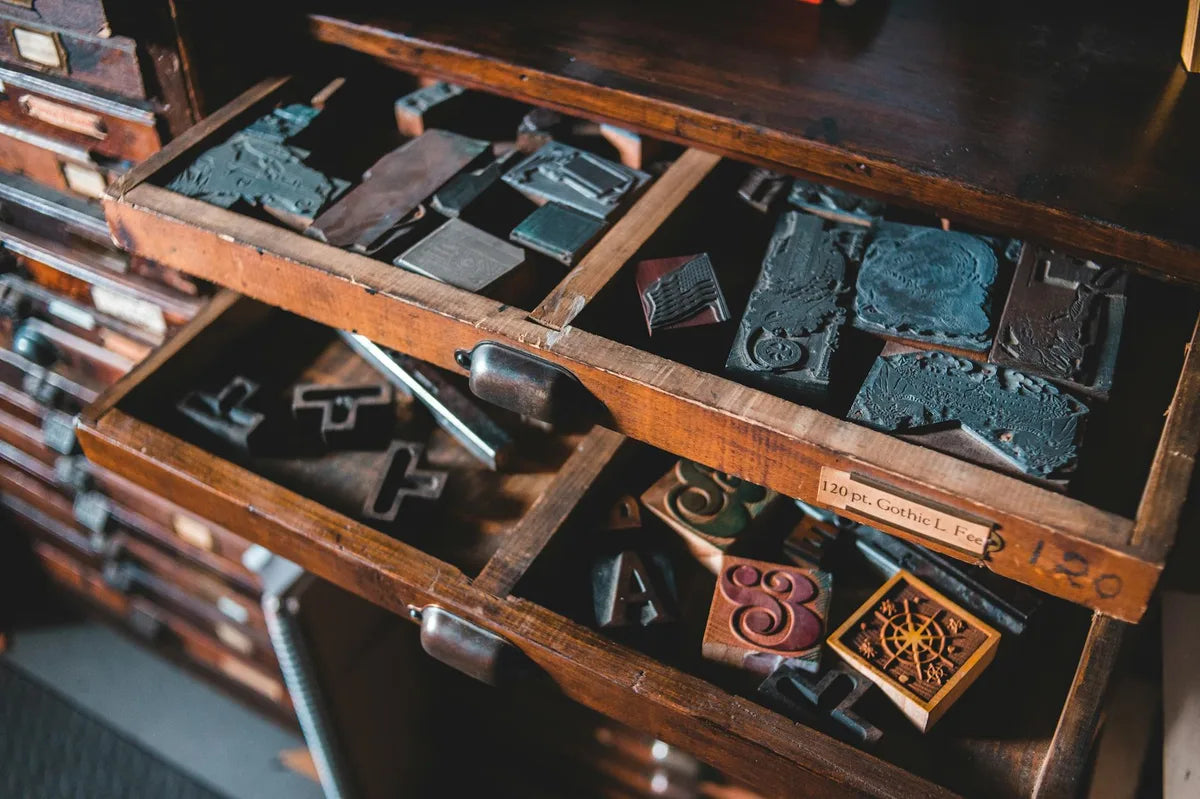
Herbert Bayer designed the universal Bauhaus alphabet in 1925: all lowercase, no ornaments, pure geometric forms. His justification: "Why two alphabets (upper and lower case) if you can manage with one?"
In 1928, Gropius resigned. Hannes Meyer replaced him, then Ludwig Mies van der Rohe in 1930. In 1932, the city of Dessau, now under Nazi control, closed the school. Mies van der Rohe transferred it to Berlin as a private school. On 20 July 1933, the students voted for dissolution. The school had lasted fourteen years in all.
The Graphic Legacy
Bauhaus aesthetics have irrigated design since 1933. The dominant sans-serif typography in all contemporary graphic systems is its direct heir. The logos of the world's major brands since the 1950s apply the principles of Moholy-Nagy and Bayer: legibility, geometry, clear visual hierarchy. In decoration, Bauhaus posters function as geometry exercises: pure forms, three colours, a balance that withstands time.
Our Bauhaus poster selection covers the school's years of direct production (1919-1933), including the concert, exhibition and theatre posters made by students and teachers. These are works designed to be printed, conceived to hold on a wall: printing them on 275 g/m² fine-art paper restores a materiality they had not known since their original edition.