The idea came from Philippe Chatrier, president of the French Tennis Federation in the 1970s. The Roland-Garros tournament was growing in scale: colour television had brought it into every home, tennis had become a global sport, and the Paris Grand Slam wanted a strong graphic identity. In 1980, Chatrier commissioned Valerio Adami, an Italian painter associated with Narrative Figuration. It was the first official Roland-Garros poster conceived as a work of art.
Adami set the codes: the clay court is treated as a flat area of colour, the player is stylised, the composition borrows from pop art and comics. The poster ran to around 8,000 lithographed copies, signed and numbered. It was sold during the tournament, and some pieces entered private collections in the following decade.
Forty-six Artists, Forty-six Visions
From 1981 onward, the FFT systematised the commission. Eduardo Arroyo, a Spanish painter in political exile, signed that edition. In 1983, the tournament commissioned Hans Hartung, a towering figure of lyrical abstraction. The logic was clear: alternate figurative and abstract, young artists and established names, French and international.
Antoni Tapies in 1991, Ernest Pignon-Ernest in 1989, Konrad Klapheck in 1996, Jane Hammond in 2002. Successive curators played on contrasts. Some posters became iconic: the Tapies edition fetches several hundred euros on the lithographic art market, and the Pignon-Ernest poster - showing a photographic player's body grafted onto the clay - still turns up in tennis collections.
Each year, the commission arrives in September. The artist has six months to deliver an original work, which will be printed in a run of 8,000 lithographs.
Centenary, Ruptures, and Signed Lithographs
2003 was a watershed year: the tournament's centenary provided an opportunity for an unprecedented format. The FFT published the Jaume Plensa poster with a signed limited run, sold directly by the tournament boutique at Roland-Garros, Porte d'Auteuil. Buyers now return every year. The Roland-Garros poster market exists, with its prices, its rare pieces, its editions that have not aged well.
The 2024 poster was signed by Fabienne Verdier, a French painter known for her monumental brushwork, sometimes executed on canvases four metres across. The sporting gesture and the painterly gesture speak to each other. This is the intuition the FFT commission has been pursuing for forty-six years.
Reading a Roland-Garros Poster
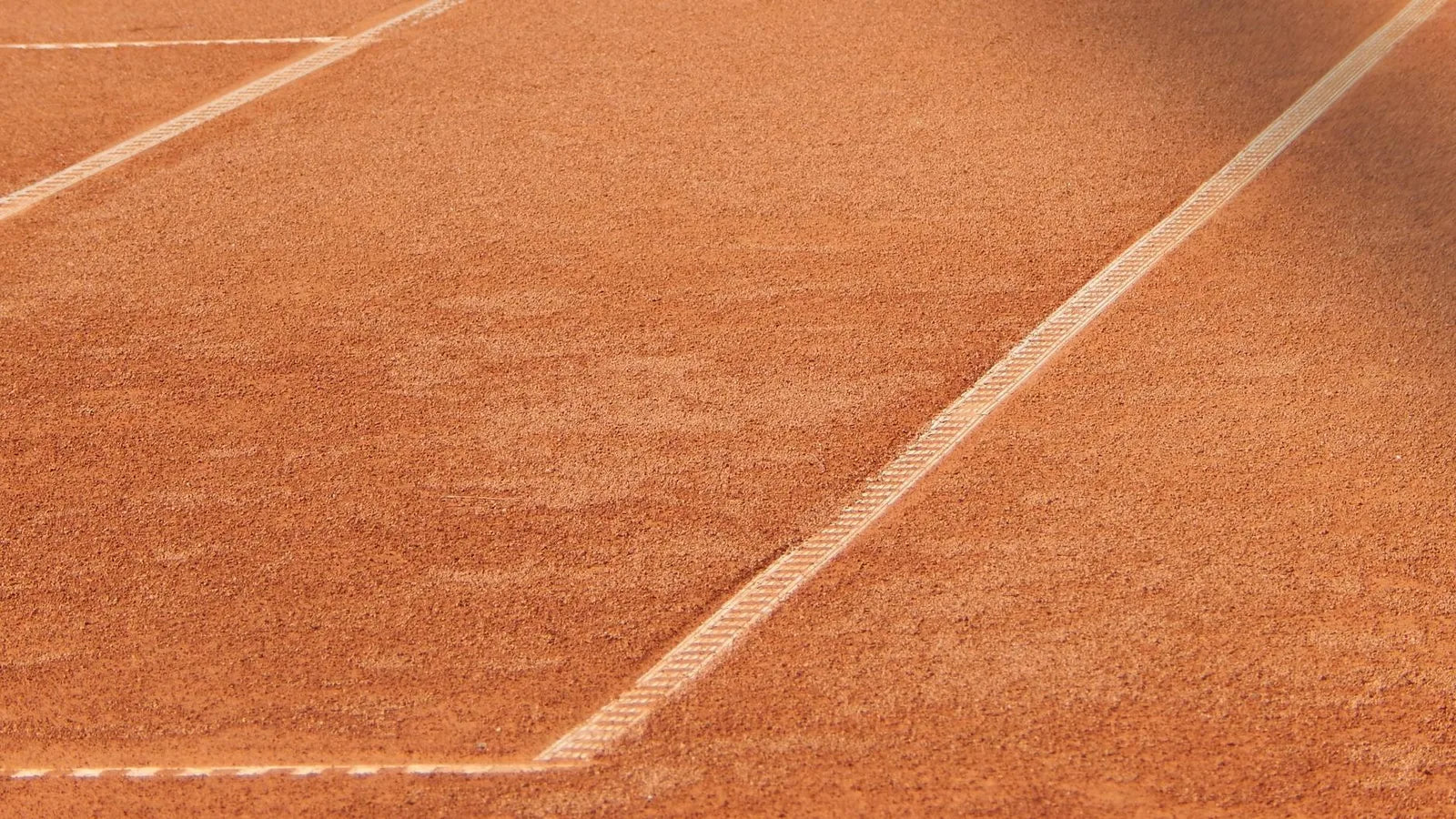
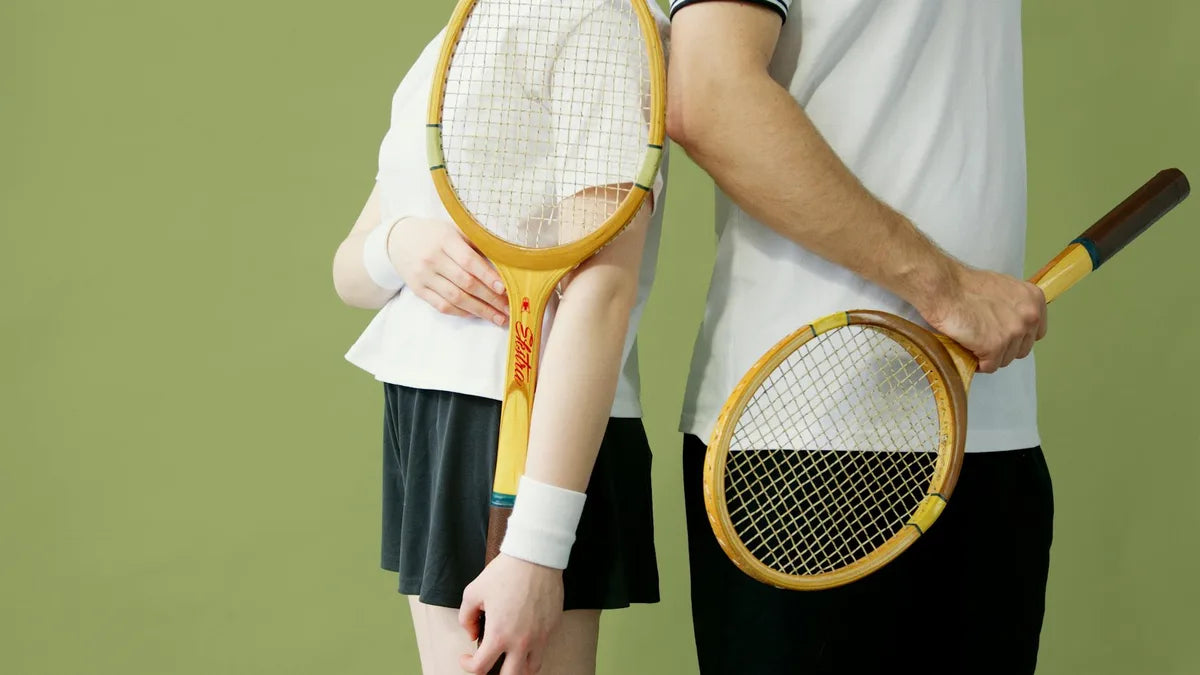
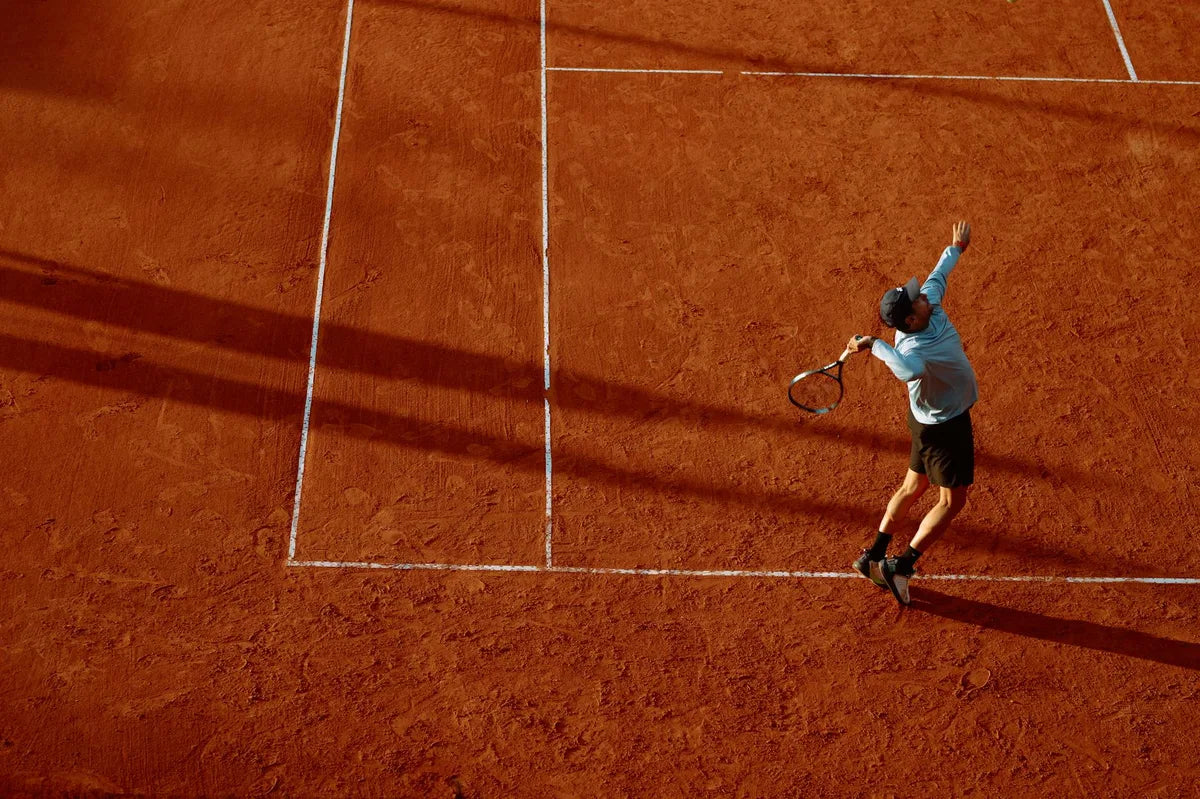
Three elements recur almost invariably: the clay court (orange-red, sometimes used as an entire background), a racket (in silhouette, as a flat shape, or in detail), a gesture (the serve, the backhand, the follow-through). The rest is left to the artist.
For the beginning collector, value depends on condition (the colours of older lithographs tend to fade if the poster has been exposed to sunlight), signature (hand-numbered by the artist, to be distinguished from a simple offset print), and rarity (the 1980s editions, in limited runs, are rarer than recent ones).
At Montmartre Poster, we do not reproduce the official Roland-Garros posters (copyright FFT). We offer a selection of original tennis posters in the spirit of the Belle Epoque and Art Deco, covering an entire century of sports design.
![Sweat à capuche New York Tennis Monumental 49. design textile unisexe [color:green] [view:front]](https://cdn.shopify.com/s/files/1/1061/4862/6757/files/2cb89ba95904a520f86ce637e6ae37d9_800x.png?v=1788135115&width=100&height=150&crop=center)
![T-shirt New York Tennis Monumental 48. design textile unisexe [color:green] [view:front]](https://cdn.shopify.com/s/files/1/1061/4862/6757/files/89fd626a2c9a2818acb60356a3bfd336_800x.png?v=1788135093&width=100&height=150&crop=center)
![T-shirt New York Tennis Monumental 47. design textile unisexe [color:navy] [view:front]](https://cdn.shopify.com/s/files/1/1061/4862/6757/files/1ddca3b36d8900d36a14a745152adca6_800x.png?v=1788135070&width=100&height=150&crop=center)
![T-shirt New York Tennis Monumental 46. design textile unisexe [color:black] [view:front]](https://cdn.shopify.com/s/files/1/1061/4862/6757/files/47263dac828764e4c7bae83c62eb25a0_800x.png?v=1788135047&width=100&height=150&crop=center)