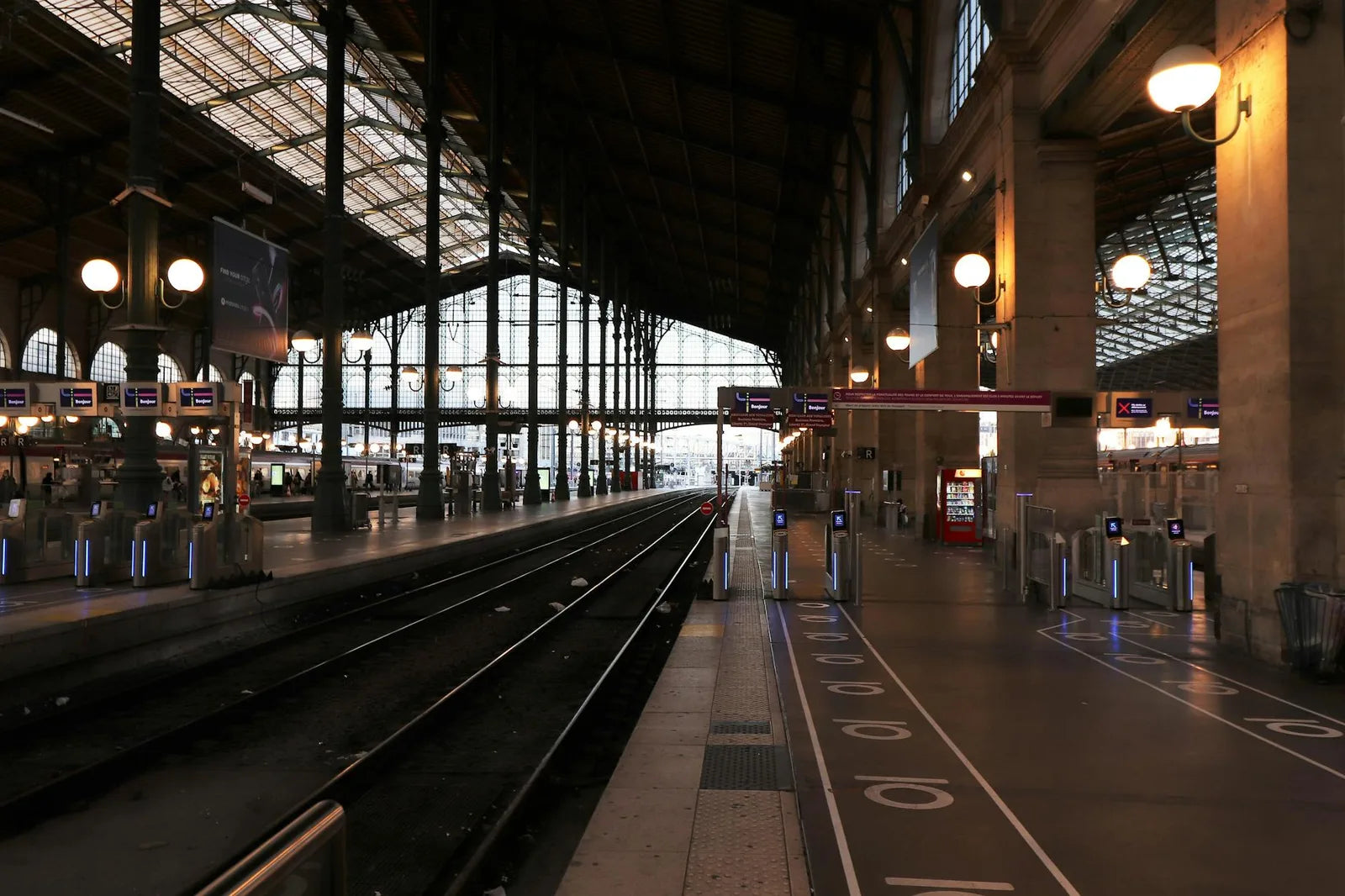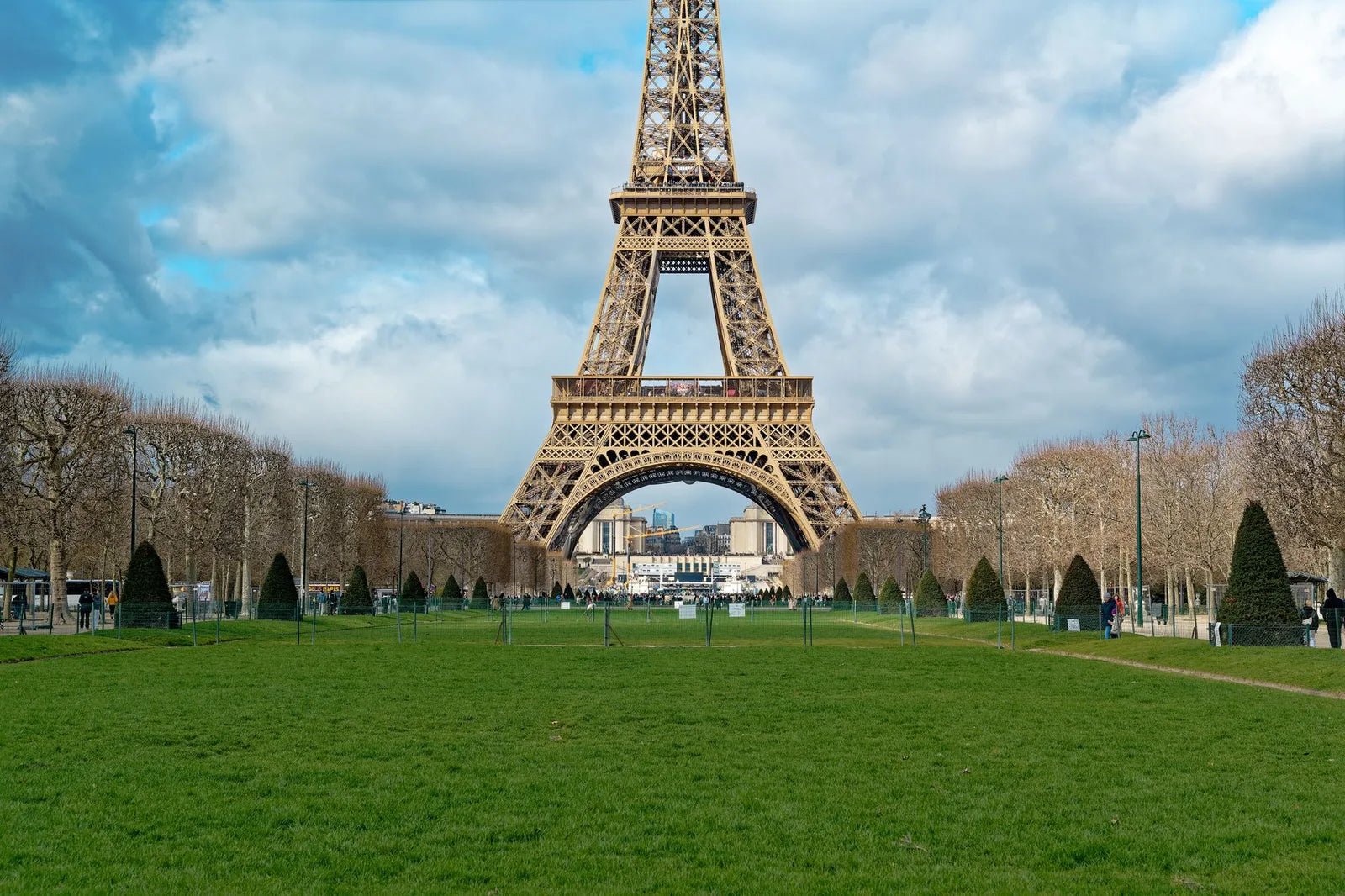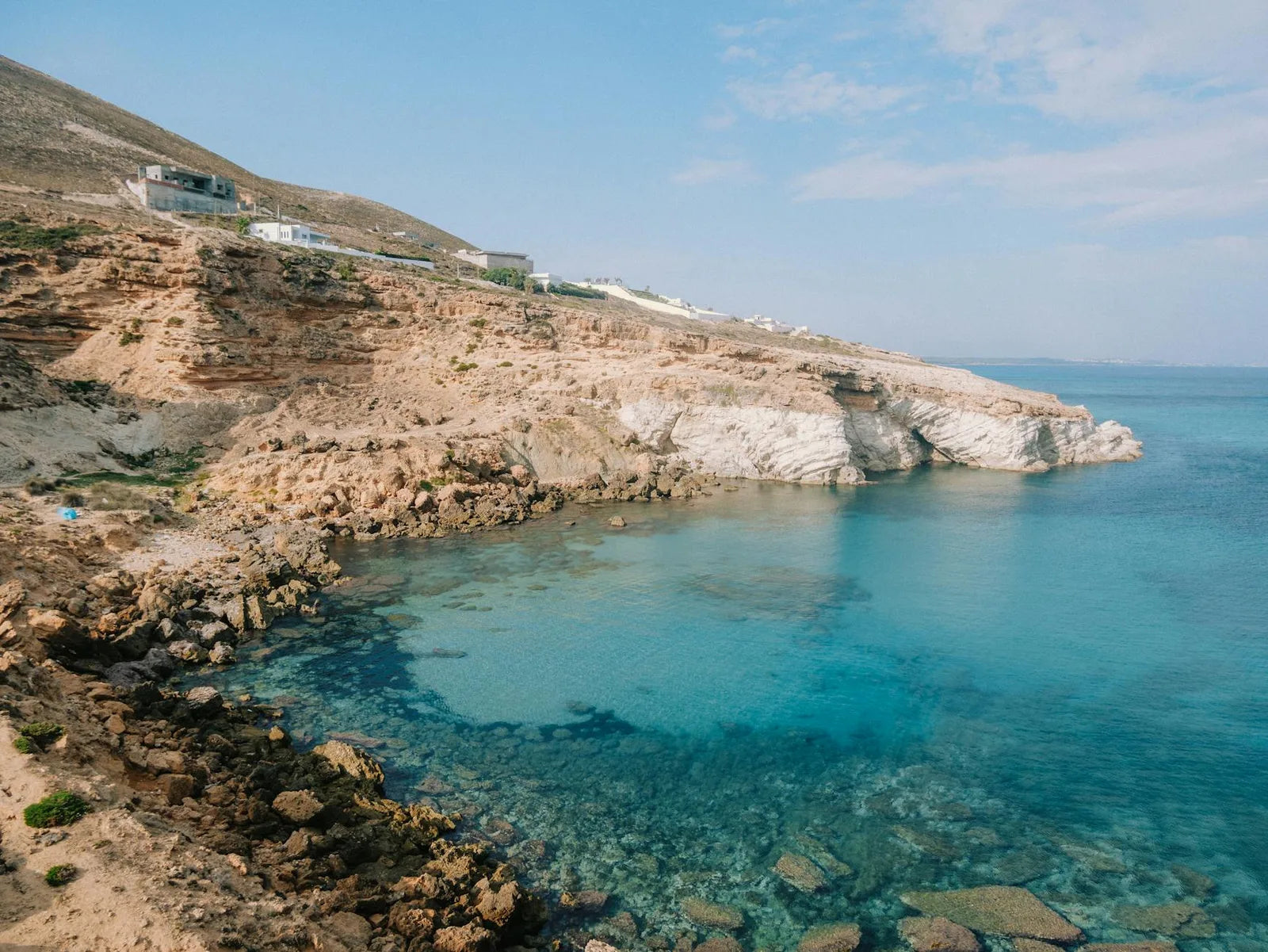
In 1900, the Paris-Lyon-Mediterranee railway company gave its graphics department an unusual commission: tourist posters to promote the destinations served by its trains. Competition between rail companies was fierce as the lines multiplied. The PLM decided to sell not just a ticket but a destination. This was the birth of the French tourism poster.
The PLM hired artists, not catalogue illustrators. Hugo d'Alesi signed the first major Cote d'Azur posters (1895-1905). His panoramas were painted in gouache, reproduced in lithochromie on formats of 100 by 70 centimetres. The sea was an improbable blue, the palm trees stylised, the hotels monumental. This was not reality: it was desire.
Roger Broders and the PLM series
Roger Broders joined the PLM in 1922. Over ten years, he signed more than eighty posters that defined the imagery of the Cote d'Azur and the Alps for decades to come. His compositions are recognisable at first glance: a figure in the foreground (bather, skier, golfer), a simplified landscape in flat tones behind, a plain or lightly graded sky. The technique is eight-colour lithography. Each plate was prepared by hand, separated colour by colour on superimposed sheets.
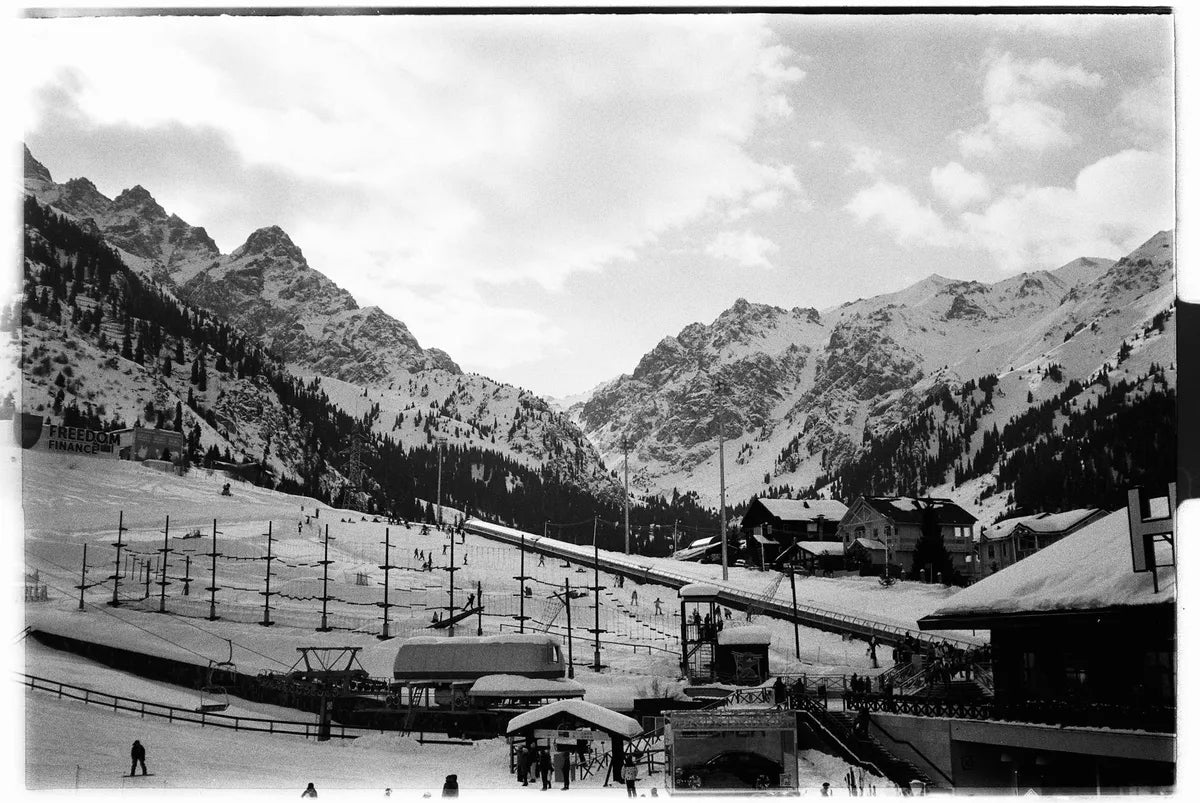
Brittany, less sunny, attracted different artists. Rene Peron, Geo Dorival, Henri Tanconville worked for the State Railways and for the shipping companies. Their Breton posters played on the power of the elements: cliffs, storms, lighthouses lit in the night. The aesthetic was more dramatic than Broders', darker, more contrasted.
The mountain as a space of conquest
Skiing became a popular sport in the 1920s. The railway companies serving the Alps ordered winter sports posters. The skier in posters of those years is always in full motion, often photographed from below to enlarge the silhouette. The sky is deep blue, the snow pure white. The mountain is treated as a space of conquest: clean, luminous, free of danger.
The PLM spent as much on posters as on press advertising, at a time when the press reached ten times more readers. Its art directors had understood that an image on a wall lasts, that a newspaper page is forgotten.
Collecting vintage travel posters
The vintage travel poster market has been structured since the 1990s. Parisian auction houses (Artcurial, Millon) regularly hold specialist sales. Values vary according to the artist, condition, subject and rarity. A Broders poster in good condition is worth between 800 and 3,000 euros depending on the destination. A large Hugo d'Alesi can exceed 5,000 euros.
Our art-paper reproductions let you hang these compositions without the cost of the original. They are printed in high-definition digital offset, colours calibrated on the period lithographs held at the Bibliotheque nationale de France. The result is not identical to the original (nothing is), but it is honest and lasting.