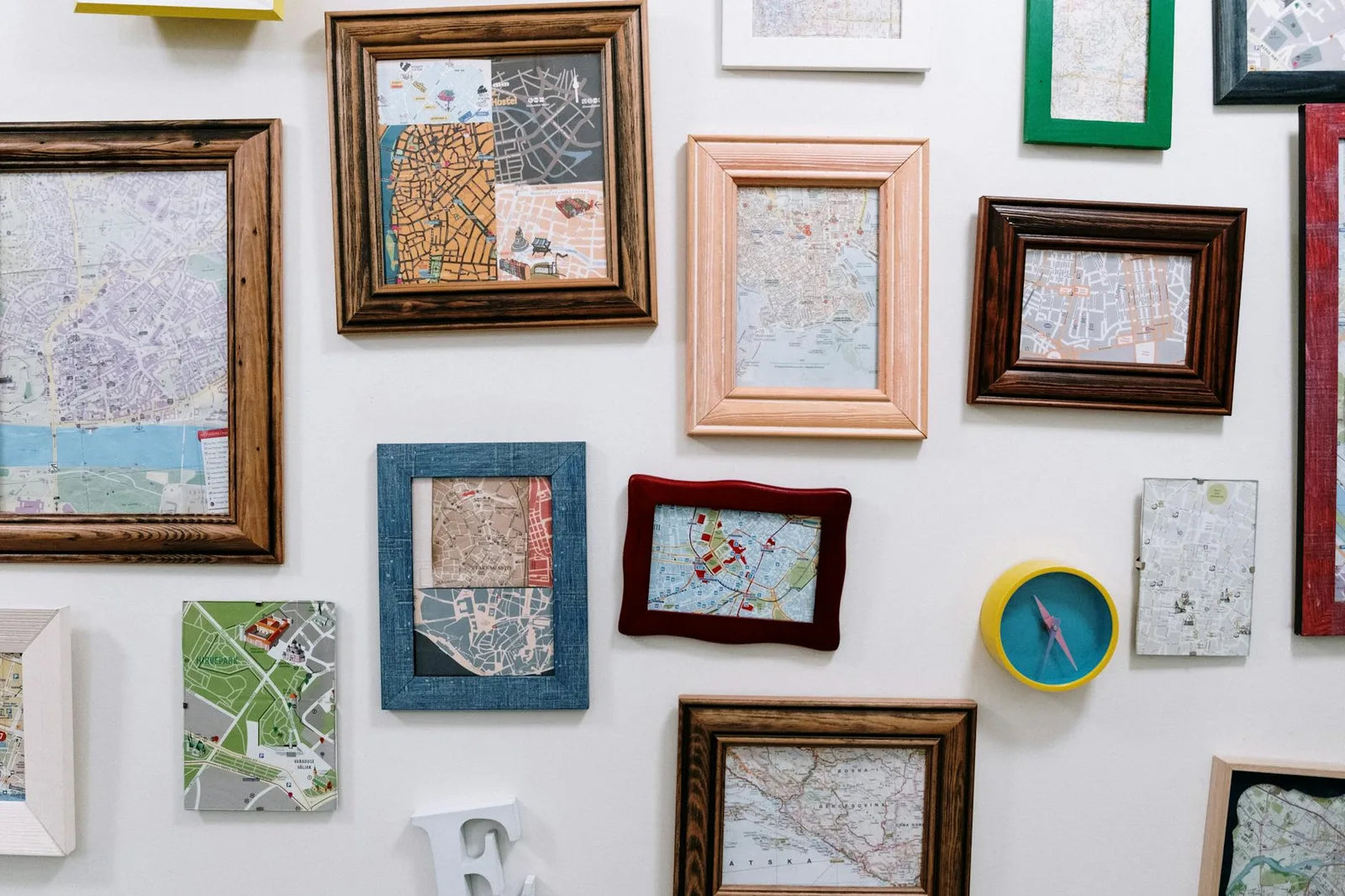
The most useful rule is also the simplest: the poster should occupy between 60 and 75% of the width of the furniture beneath it, or the section of wall it is meant to fill. Below 60%, it floats and looks lost. Above 75%, it crushes the space. This proportion comes from professional interior design, not from fashion: it applies equally to a Haussmann apartment and a new-build flat.
30x40: the intimate format
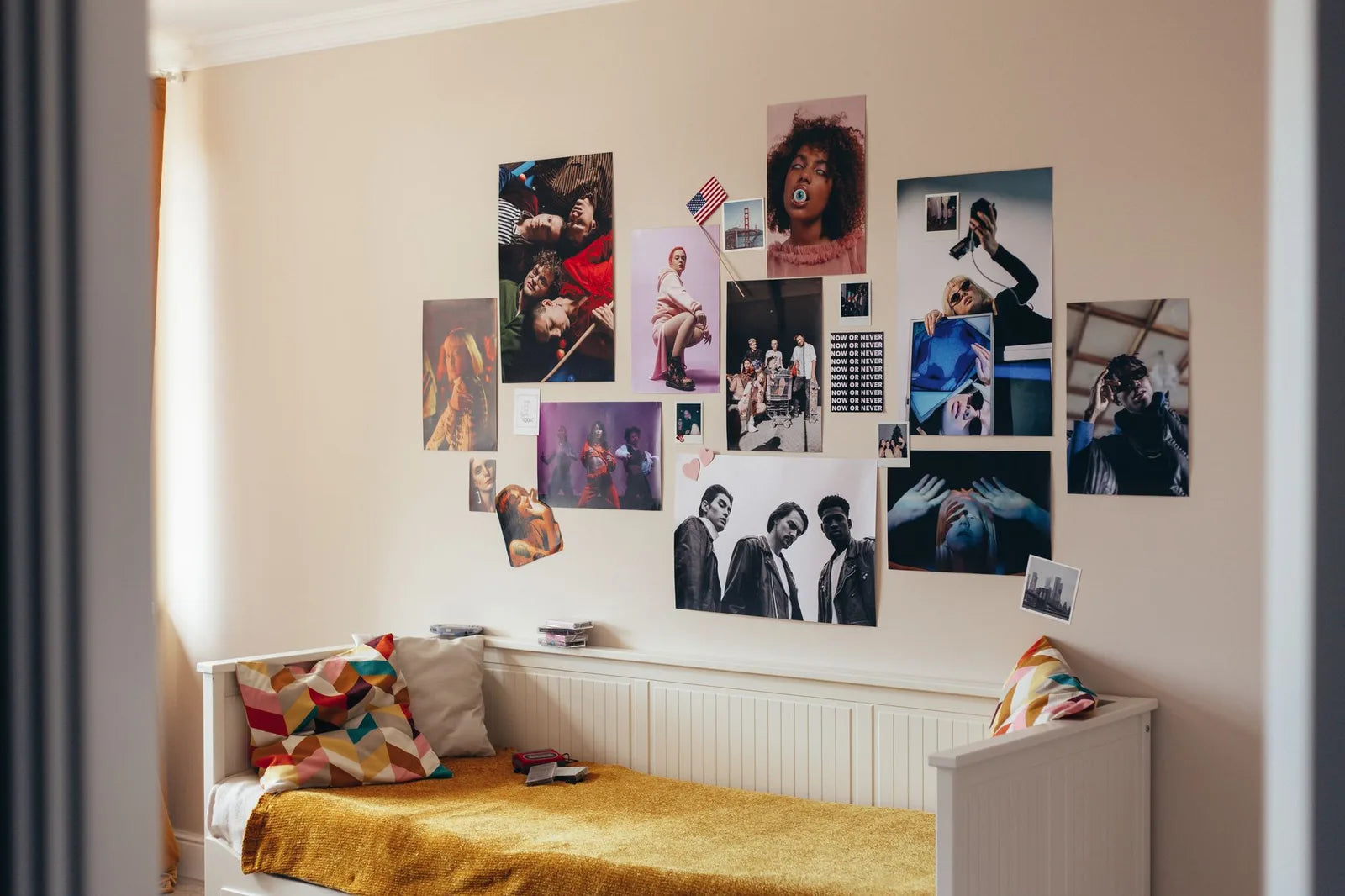
The 30 by 40 centimetre format is the smallest in our range. It suits small or intimate spaces: a hallway (hung alone, it punctuates the passage without cluttering it), a bedside (40 centimetres from the mattress, at the same level as the lamp), a kitchen above a worktop (the reading distance is short, a larger format would dominate), a reading corner. It is also the ideal format to start a gallery wall: place the 30x40 at the centre, then build around it.
The limit of the 30x40: at more than 3 metres distance, the image details disappear. If your room is large and you are far from the wall, take the next size up.
50x70: the standard format
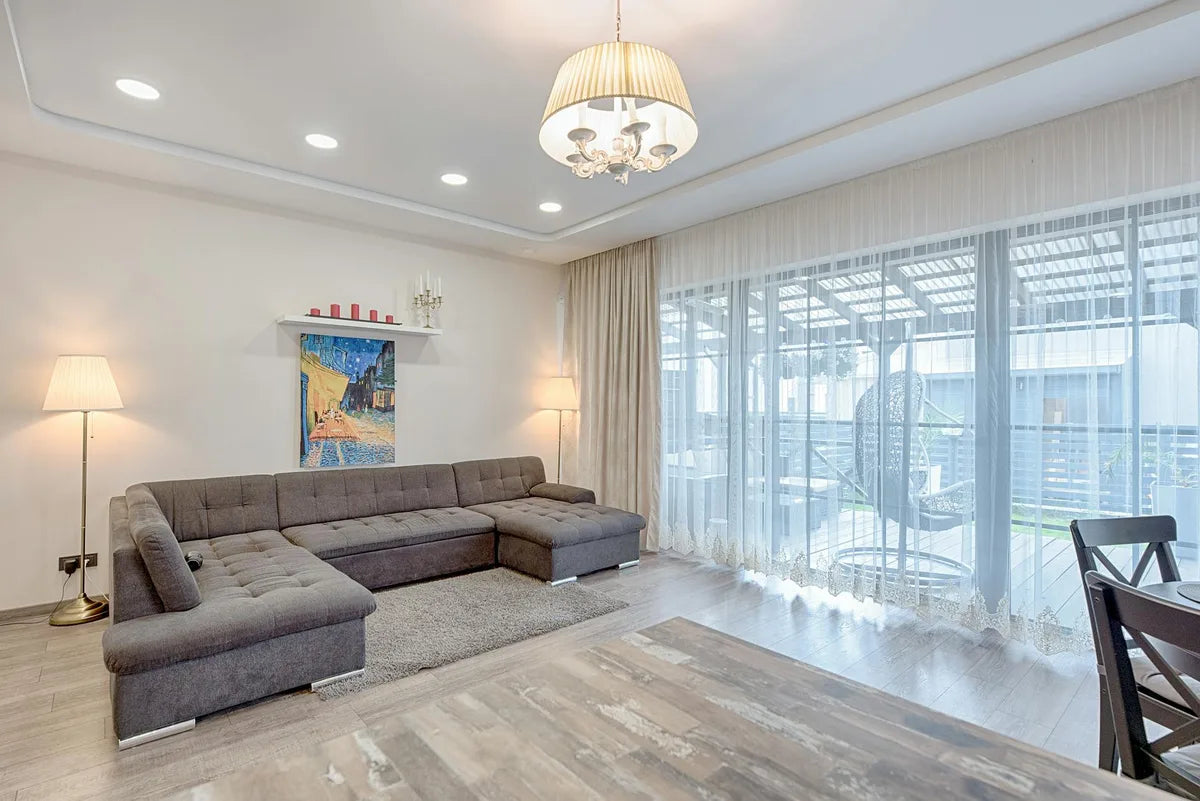
The 50 by 70 centimetre format is the most versatile. It works in 80% of situations: above a 180-centimetre sofa (the poster covers roughly a third of the width, which leaves air around it), in a dining room above a console, in a home office above a desk, in a bedroom facing the bed.
The 50x70 is also the most common format for original vintage posters. It is the standard format for French railway advertising between 1900 and 1950, which means the reproductions we offer respect the proportions of the original. This is not a trivial detail: a PLM poster in 50x70 occupies exactly the space it was designed to occupy on the wall of a provincial station.
70x100: the assertive format
The 70 by 100 centimetre format asserts itself in large rooms. It needs a clear wall of at least 120 centimetres wide for the poster not to feel cramped. It works in entrances with a long wall, double living rooms with high walls, bedrooms with ceilings over 2.60 metres. On its own, a large 70x100 poster can be enough to dress an entire wall without feeling something is missing.
Within 2 metres of a 70x100 poster, you read the details. At 4 metres, you read the composition. These are two different experiences, both valid.
Specific cases
- Kitchen: prefer 30x40, steam and splashes do less damage on a small format, and the reading distance is often short.
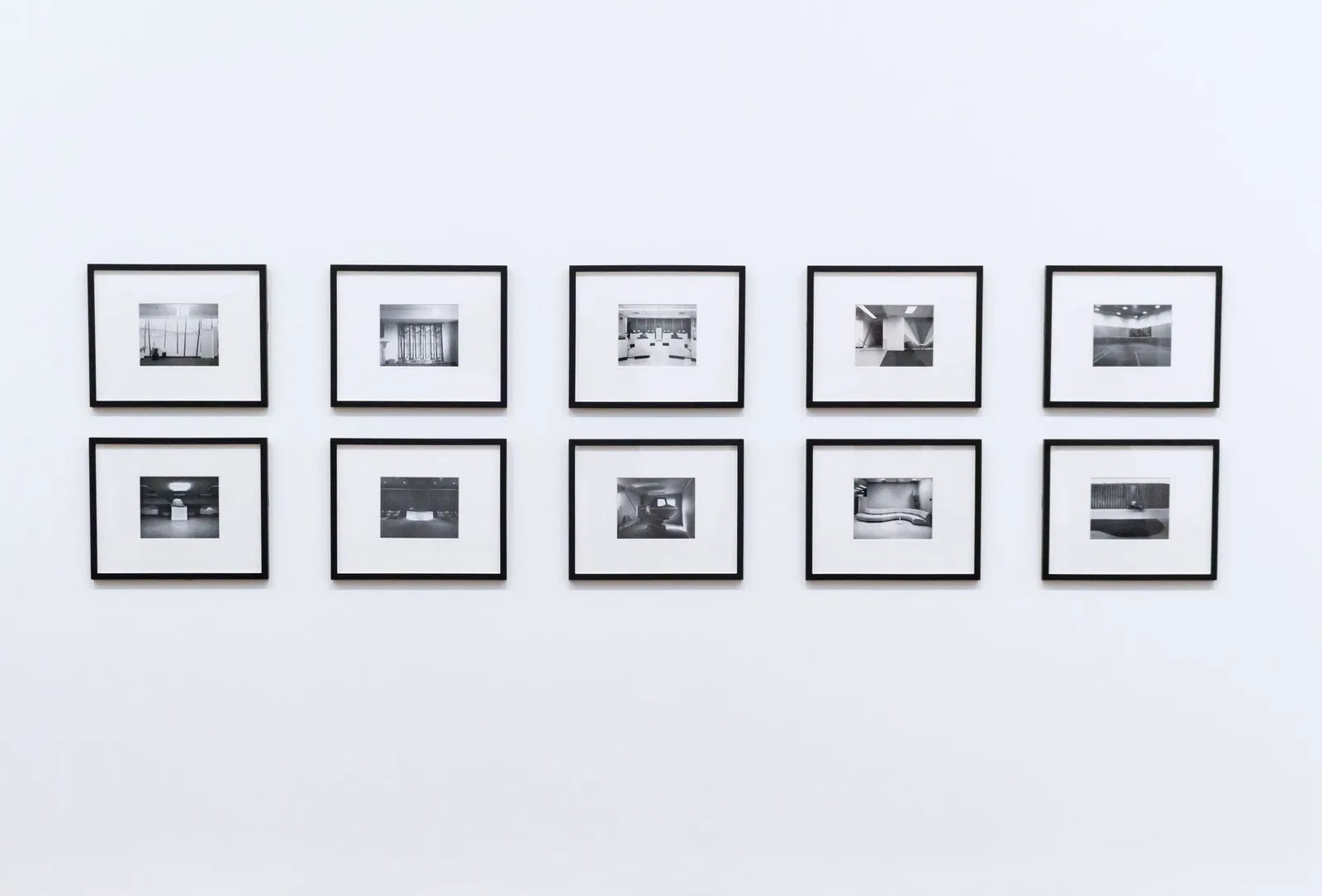
- Long narrow hallway: a series of 30x40s in a horizontal line, evenly spaced, creates a rhythm that accompanies the passage without crushing the corridor.
- Children's bedroom: 30x40 at a child's eye level (120 centimetres), clear and colourful subjects. The format matches the scale of the space.
- Bathroom: 30x40 tolerates ambient humidity better. Frame well sealed, paper behind glass. Avoid the wall near the shower.
- Large living room with gable wall: a 70x100 centred on the wall, or a triptych of 50x70s. Both work if the choice of works is coherent.