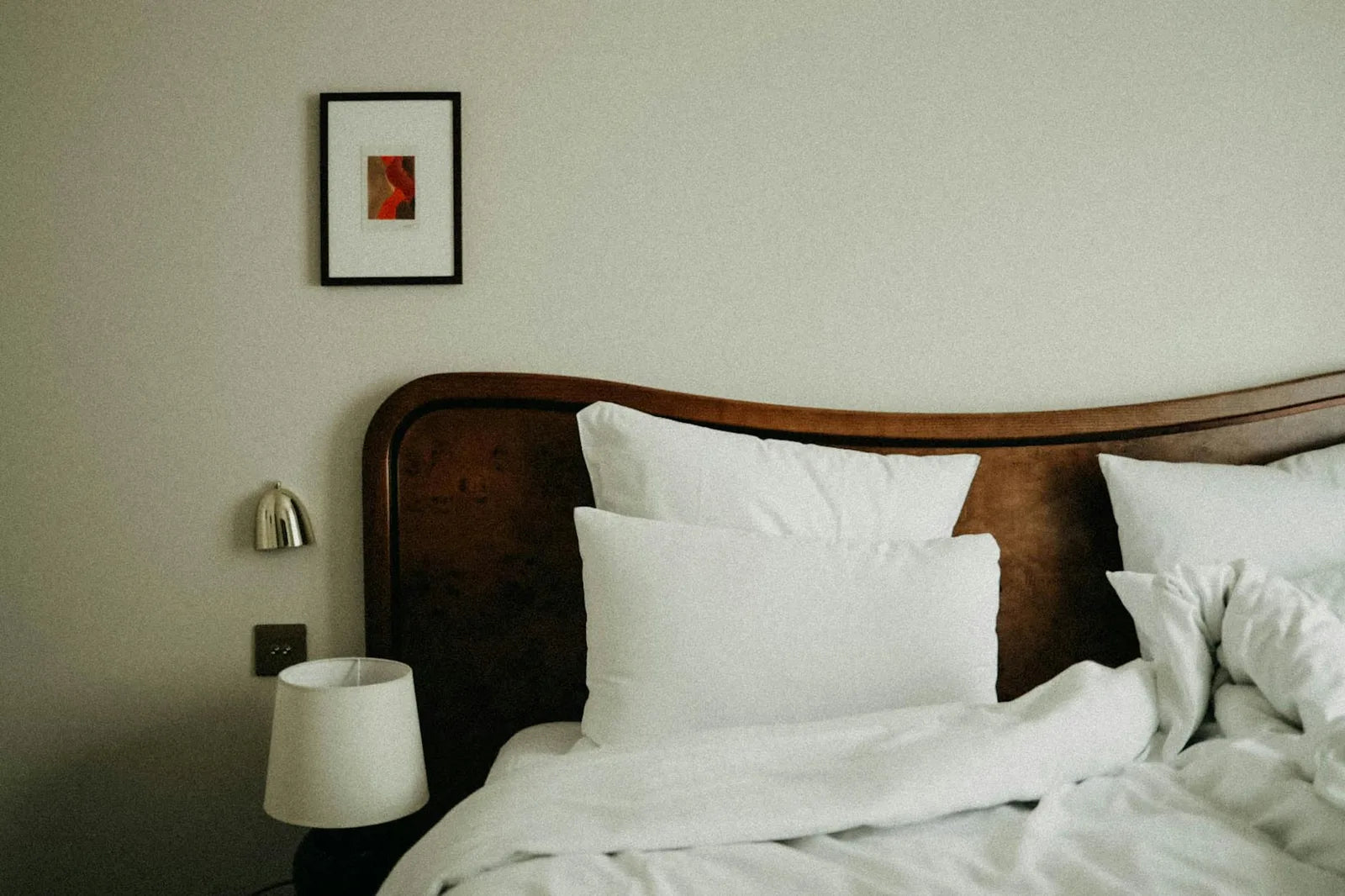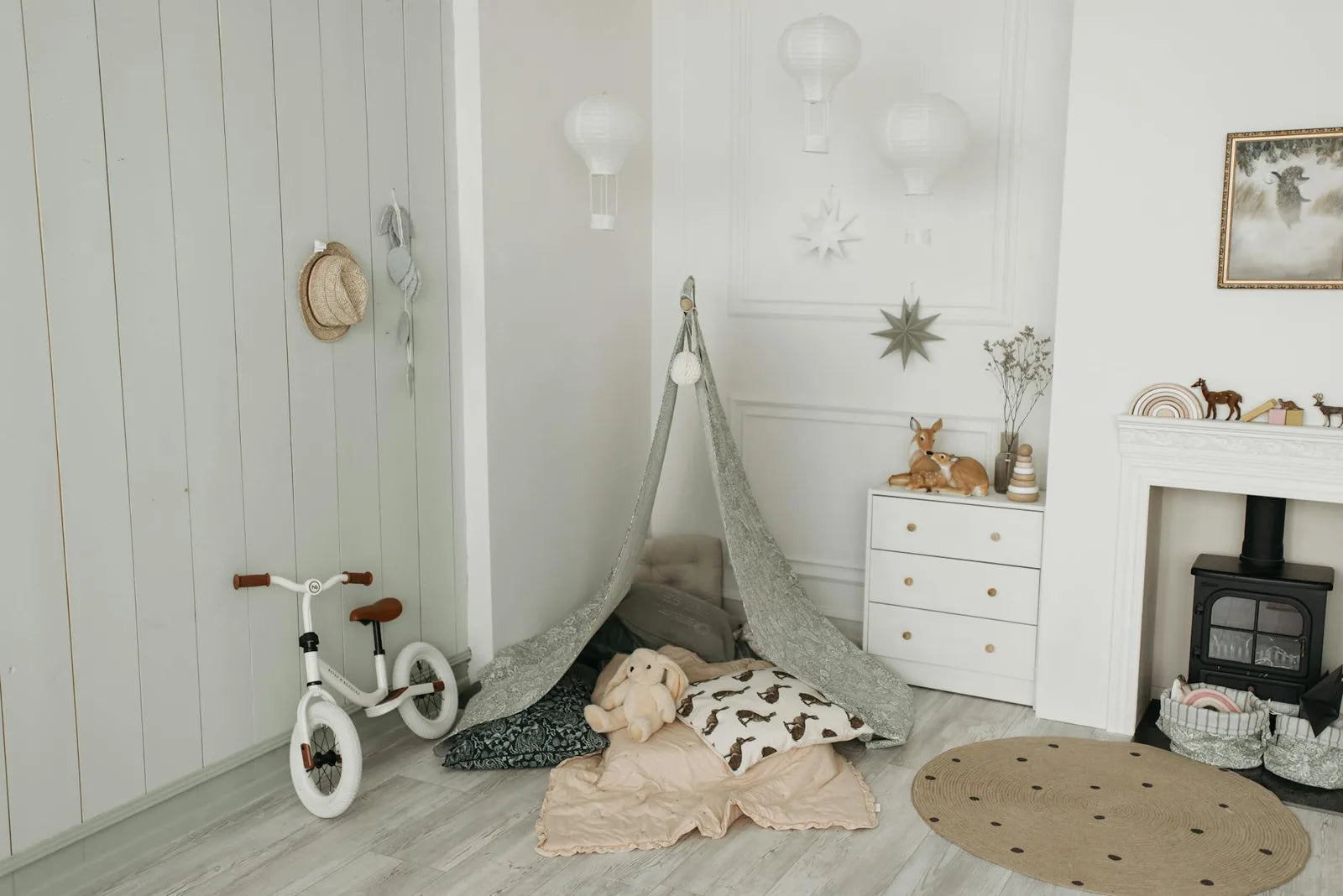
The child's bedroom is the room where parents make the most impulse purchases in decoration. The giant stuffed animal, the wall sticker that covers an entire wall, the poster of this year's favourite cartoon character. The problem is always the same: within eighteen months the child has changed their mind, and the decoration has to change with them. Expensive, cumbersome, and often disappointing.
The solution is not to buy nothing colourful or cheerful. It is to buy images that have their own graphic quality, independent of their subject, and that can therefore cross the phases of childhood without appearing dated.
What lasts over time
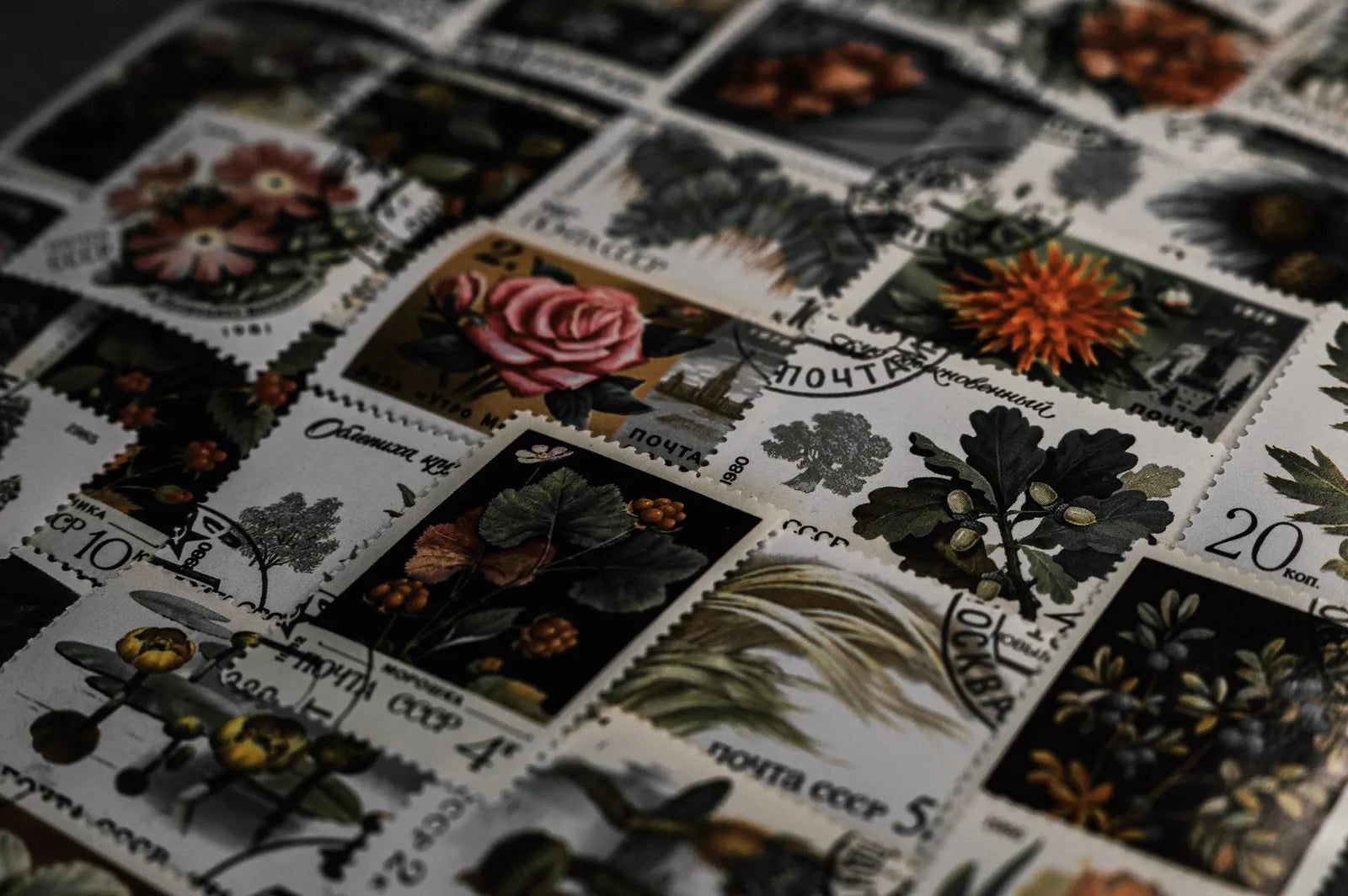
Simple botanical illustrations (a bird, a flower, a naturalist animal) work from age 2 to 15. They are colourful enough to attract young children, precise enough to interest older ones. Their aesthetic is timeless: they are not associated with any trend or franchise character.

Simple geometric compositions (coloured shapes on a white background, in the style of educational posters from the 1960s) hold up just as well. They have a visual play quality that children appreciate: shapes, colours, contrasts. They grow with the child: what was a visual game for a toddler becomes an assumed aesthetic for a teenager.
What doesn't last
Characters from films and animated series are the riskiest choice. The child loves the character today: that is certain. In two years, the character is passe, the child is ashamed of having loved it, and you have a 70x100-centimetre poster of a character everyone has forgotten. This is not a judgement on taste: it is an observation on the life cycle of children's franchises.
Overly babyish posters (cloud patterns, unicorns, very soft pastel style with no graphic structure) pose the same problem at the other end: an 8-year-old does not want a baby's bedroom. Prefer images that have a structure, a composition, a visual interest that persists beyond early childhood.
Buying a poster for a child's room is buying for a minimum of five years. Apply the same rigour as for furniture, not the same impulsiveness as for toys.
Placement and format
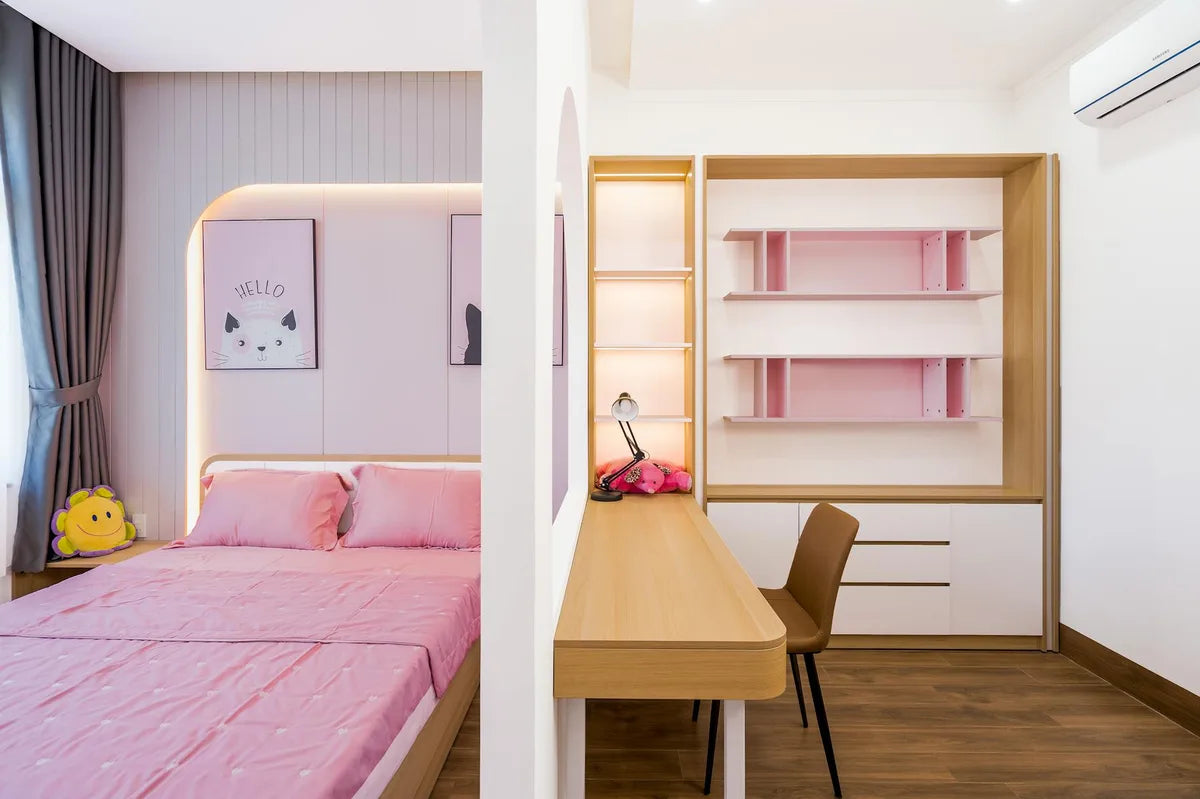
In a child's bedroom, the hanging height rule changes: the centre of the poster should be at the eye level of the standing child, around 100-110 centimetres for a child of 3-6 years, 120-130 centimetres for a child of 6-10 years. This means you will probably need to rehang the poster as the child grows. The good news: at the moment of rehanging, you can also move or change it.
The 30x40 format is ideal for a first poster in a child's bedroom. Easy to move, not too imposing, readable from close up. The 50x70 suits larger bedrooms and older children (from 7-8 years, the bedroom often becomes more personalised and a more assertive format is welcome).