Poster HistoryRead 8 min
Japonisme: Three Centuries of Japanese Graphic Art
From Hokusai's Edo to Yayoi Kusama's dots, Japanese graphic art has influenced Europe in successive waves. The story of a circulation of images that never stopped.
Three centuries of Japanese graphic art, gathered in a single category. Ukiyo-e first. Katsushika Hokusai (1760-1849) and his Great Wave off Kanagawa (1831), Hiroshige with his 53 stations of the Tokaido road, Utamaro for his portraits of women. These Japanese posters, descendants of the woodblock prints that captivated Van Gogh, Monet and Toulouse-Lautrec, launched the Japonisme movement in Paris in the 1860s.
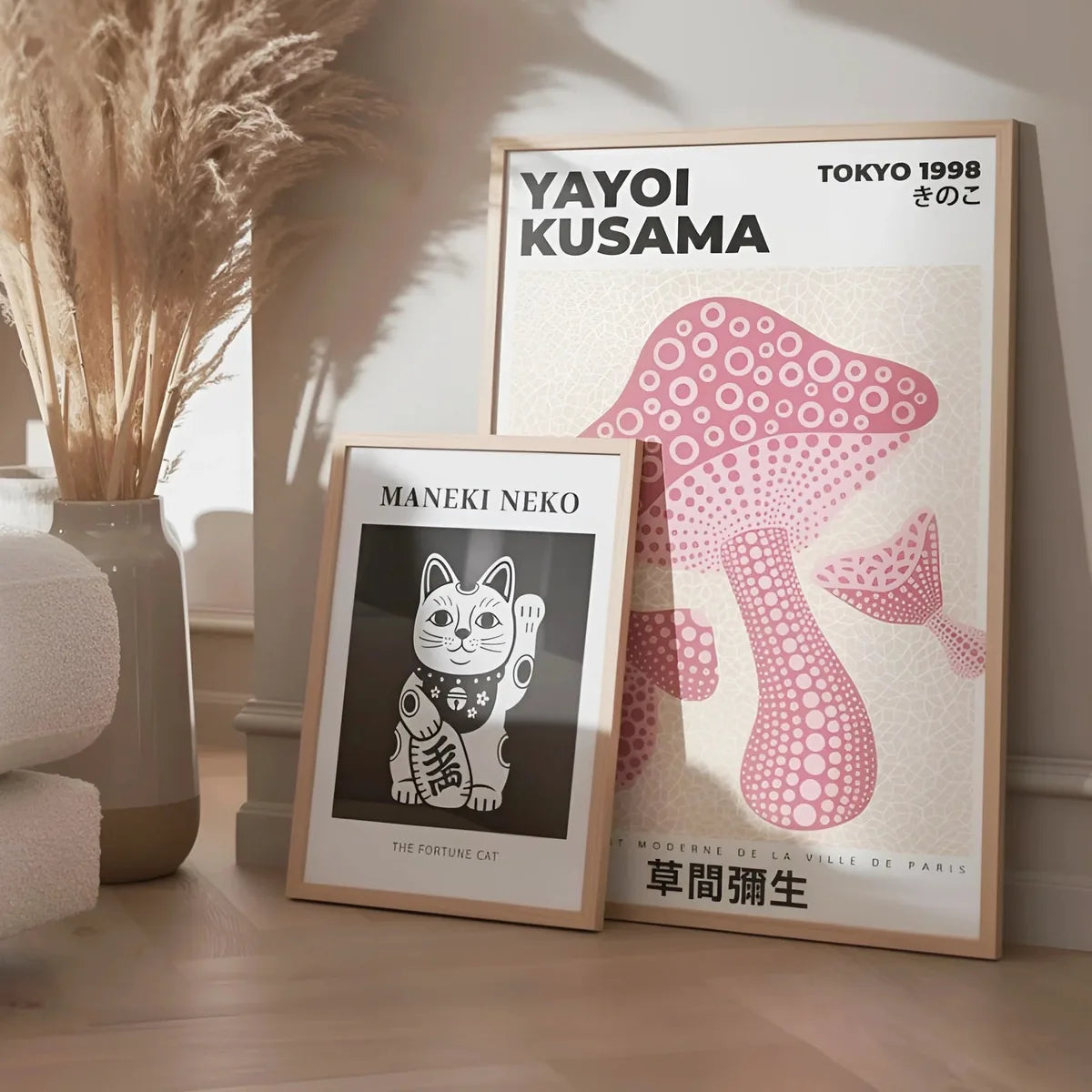
Then contemporary Japanese pop. Yayoi Kusama (born 1929) and her obsessive motif. The painter left for New York at 28 with a suitcase of drawings, while her parents told her to come home and marry. Sixty years later, her dots are everywhere, from the Whitney to Louis Vuitton, from Tate Modern to the facades of Singapore.
Alongside Kusama, we have placed Japonisme-inspired designs and a few exhibition posters, either in the public domain or published with permission.
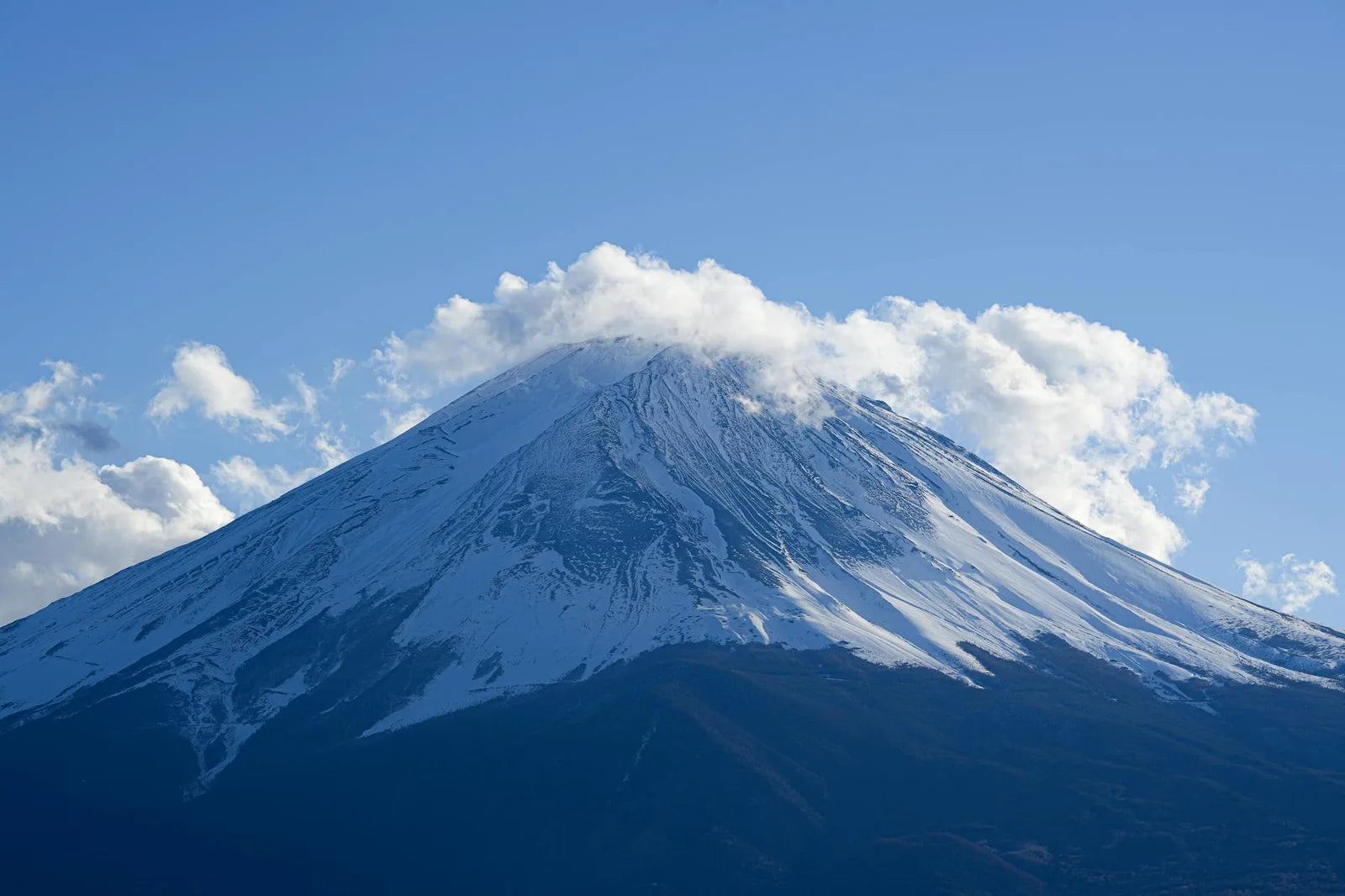
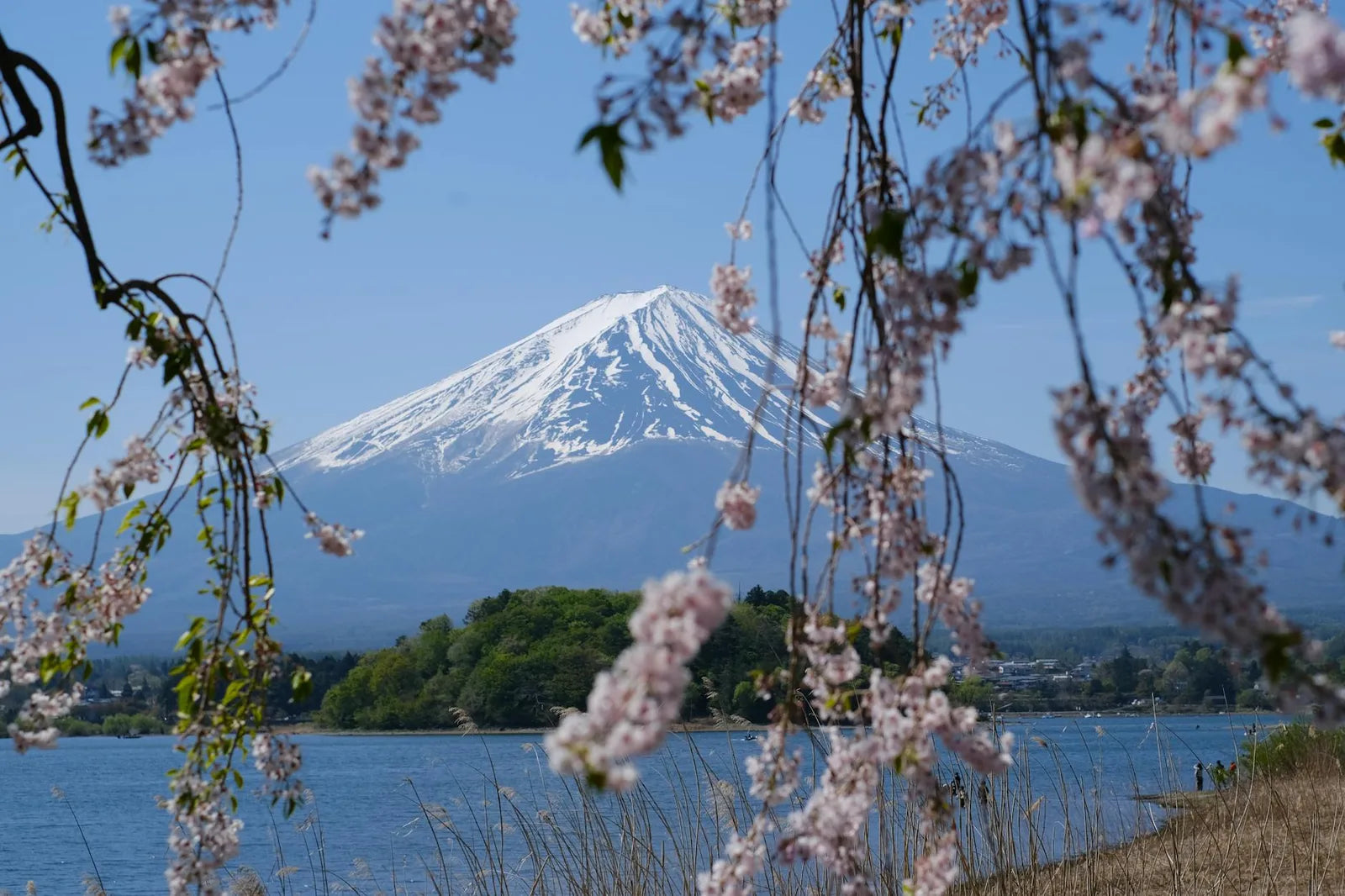
Discover also: Landscapes, Botanical and Animals. Collection favourites: Poster Cranes Red Sun Pine Japanese and Poster Mount Fuji Snow Lake Woodblock.


From Hokusai's Edo to Yayoi Kusama's dots, Japanese graphic art has influenced Europe in successive waves. The story of a circulation of images that never stopped.
Hokusai, Hiroshige, Utamaro: three names, three aesthetics, three ways into the world of the Japanese woodblock print. A guide for choosing, understanding and hanging.
Dots, infinity motifs, bold color: composing an assertive wall inspired by the world of Yayoi Kusama, and pairing it with a pared-back interior.